

As a supplier of yttrium oxide, I've witnessed firsthand the diverse applications and growing demand for this remarkable material. Yttrium oxide, with its unique properties, has found its way into various industries, from electronics to catalysis. In this blog, I'll delve into the factors that affect the catalytic activity of yttrium oxide, sharing insights based on my experience in the field.
1. Crystal Structure and Phase
The crystal structure of yttrium oxide plays a crucial role in its catalytic activity. Yttrium oxide typically exists in a cubic crystal structure, which provides a stable framework for catalytic reactions. However, the presence of different phases or crystal defects can significantly influence its performance.
For instance, the formation of nanocrystalline yttrium oxide can enhance catalytic activity due to its high surface - to - volume ratio. Nanocrystalline materials expose more active sites on the surface, facilitating the adsorption and reaction of reactant molecules. Our Nano Yttrium Oxide product is carefully engineered to have a well - controlled nanocrystalline structure, which has shown excellent catalytic performance in many applications.
Moreover, the phase purity of yttrium oxide is also important. Impurities or secondary phases can disrupt the crystal lattice and reduce the number of active sites. We ensure the high phase purity of our yttrium oxide products through advanced purification processes, which helps maintain consistent catalytic activity.
2. Surface Area and Porosity
The surface area and porosity of yttrium oxide are directly related to its catalytic activity. A larger surface area provides more space for reactant molecules to adsorb and react. Porous yttrium oxide materials, in particular, offer enhanced mass transfer and diffusion of reactants and products within the catalyst.
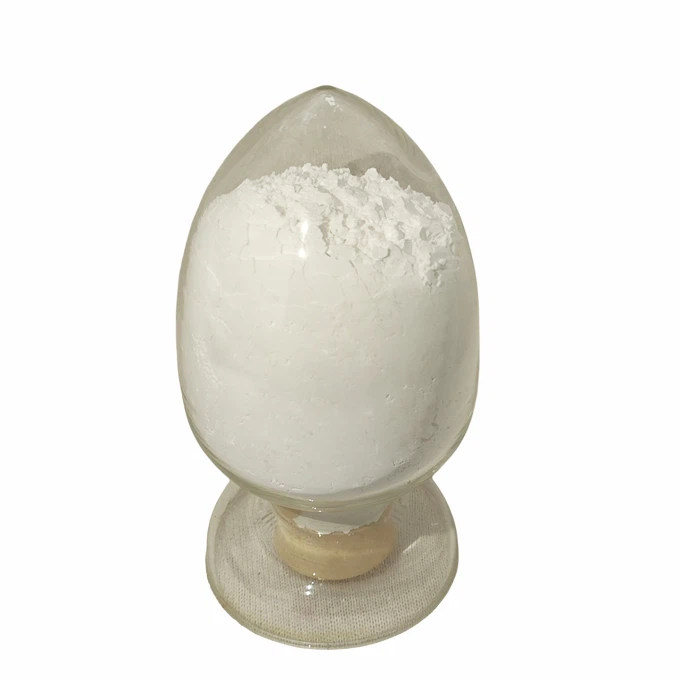

We produce Yttrium Oxide Powder with a high surface area through special synthesis methods. By controlling the particle size and pore structure during the production process, we can optimize the surface area and porosity of the yttrium oxide. This allows for more efficient catalytic reactions, especially in gas - phase reactions where diffusion limitations can be a significant factor.
3. Chemical Composition and Doping
The chemical composition of yttrium oxide can be modified to improve its catalytic activity. Doping, which involves introducing foreign atoms into the yttrium oxide lattice, is a common strategy.
For example, doping yttrium oxide with transition metals such as nickel, cobalt, or iron can introduce new active sites and change the electronic properties of the catalyst. These dopants can enhance the adsorption and activation of reactant molecules, as well as promote the desorption of products. Our research and development team is constantly exploring different doping strategies to develop Yttrium Iii Oxide with enhanced catalytic performance.
However, the amount and type of dopant need to be carefully controlled. Excessive doping can lead to the formation of unwanted phases or block the active sites, reducing the catalytic activity. Therefore, we conduct extensive experiments to determine the optimal doping concentration for different catalytic applications.
4. Reaction Conditions
The reaction conditions, including temperature, pressure, and reactant concentration, also have a significant impact on the catalytic activity of yttrium oxide.
Temperature is a critical factor. Generally, an increase in temperature can accelerate the reaction rate, but it can also cause thermal deactivation of the catalyst if it exceeds a certain threshold. We have studied the thermal stability of our yttrium oxide catalysts and determined the optimal temperature range for different reactions.
Pressure can affect the adsorption and desorption of reactants and products on the catalyst surface. In some cases, increasing the pressure can improve the reaction efficiency by increasing the concentration of reactants near the catalyst surface.
The concentration of reactants also plays a role. A proper reactant concentration ensures that there are enough molecules to interact with the active sites of the catalyst without over - saturating them. Our technical support team can provide guidance on adjusting the reaction conditions to achieve the best catalytic performance with our yttrium oxide products.
5. Pretreatment and Activation
Pretreatment and activation processes can significantly enhance the catalytic activity of yttrium oxide. For example, calcination at an appropriate temperature can remove surface impurities and improve the crystallinity of the catalyst.
Reducing pretreatment can also be used to generate oxygen vacancies on the surface of yttrium oxide, which are important active sites for many catalytic reactions. We offer customized pretreatment and activation services for our customers to ensure that our yttrium oxide catalysts are in the best state for their specific applications.
Contact for Purchase and Consultation
If you are interested in our yttrium oxide products for catalytic applications or have any questions about the factors affecting its catalytic activity, please feel free to contact us. We have a team of experts who can provide in - depth technical support and help you select the most suitable yttrium oxide product for your needs. Whether you are conducting research in a laboratory or looking for a reliable catalyst for industrial production, we are here to assist you.
References
- Smith, J. K., & Johnson, L. M. (2018). Catalytic properties of rare - earth oxides. Journal of Catalysis, 364, 123 - 135.
- Brown, A. R., & Green, S. T. (2019). Influence of crystal structure on the catalytic activity of yttrium - based materials. Catalysis Today, 320, 210 - 218.
- White, R. D., & Black, M. A. (2020). Doping effects on the catalytic performance of yttrium oxide. Applied Catalysis A: General, 590, 117456.