

Erbium oxide (Er2O3) is an inorganic compound consisting of erbium and oxygen, with a high melting point and exceptional resistance to harsh environmental conditions. As a rare earth oxide, it possesses unique optical and electronic properties that make it valuable in various applications. In particular, it is a versatile material in the production of specialized types of glass, given its remarkable optical properties. This property makes it essential in the manufacture of optical fibers and other advanced glass technologies, among other uses.
Why Choose Us
Company Certificate
It has quality management system certification, environmental management system certification, occupational health and safety management system certification, innovation and entrepreneurship competition awards, quality and trustworthiness certificate, service and trustworthiness certificate, quality service integrity unit certificate.
Professional Team
The company has a professional team, which is one of the company's most valuable assets. Team members all have deep chemical engineering expertise and rich industry experience, and can provide customers with high-quality products and professional technical support.
Trade cooperation
At the same time, the company conducts trade cooperation with Europe, the United States, Japan, South Korea, the Middle East and other regions to increase sales performance, enhance brand influence, and strive to become a well-known enterprise of new rare earth materials in China.
Company strength
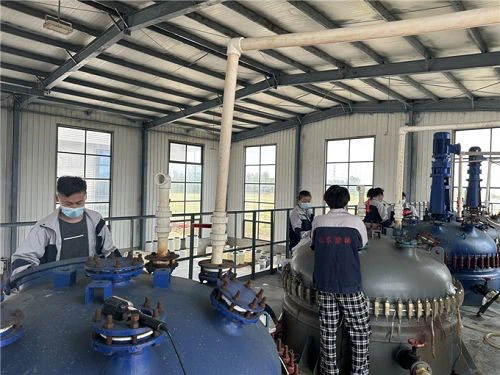
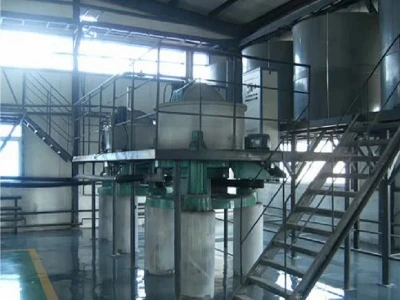
The company has complete production equipment, a sound quality control system, strong technical strength, and an experienced team that provides solid support for the company's products.


Benefits of Erbium Oxide
High optical quality
Erbium oxide has excellent optical properties and can be used to manufacture high-quality optical devices, such as lasers, fiber amplifiers, spectrometers, etc. Its high optical quality greatly improves light transmission efficiency, reduces light scattering and reflection, and improves device performance.
High efficiency
Erbium oxide has high absorptivity and high fluorescence emission, which makes it highly efficient in lasers. It can absorb a large amount of light energy and convert it into visible light or near-infrared light, which provides the possibility for improving the performance of lasers.
Broad spectral range
Erbium oxide has different absorption characteristics for light of different wavelengths, which makes it have broad application prospects in fields such as spectral analysis, medical diagnosis, and biomedical research.
Easy to prepare
The preparation method of erbium oxide is simple, low cost and easy to produce on a large scale. This makes it have broad application prospects in the field of optical device manufacturing.
Good thermal stability
Erbium oxide has good thermal stability and can maintain stable performance at high temperatures, which makes it more likely to be used in various high-temperature environments.
Types of Erbium Oxide
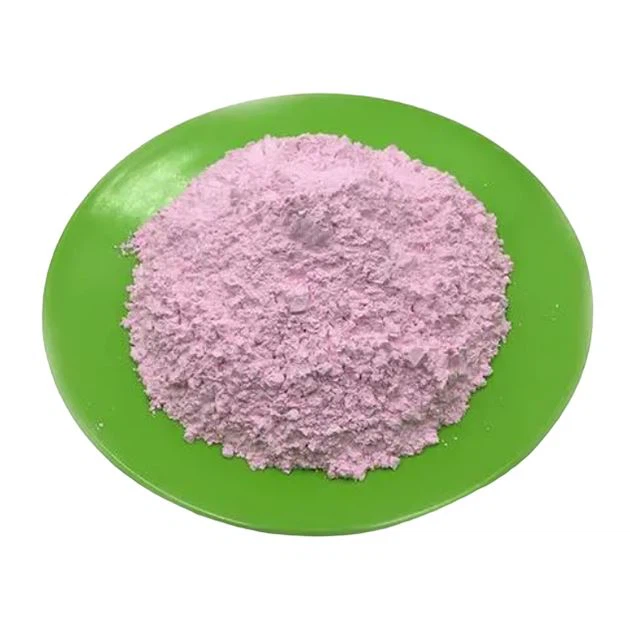


Nano Erbium Oxide
Nano erbium oxide is a highly versatile material with a range of applications in many different industries. Its unique physicochemical properties make it an ideal material for catalysis, optics, and electronics. At Nano Materials Inc., we provide high-quality 50nm, 200nm, 500nm customized high-purity nano erbium oxide in various specifications and packaging to meet customer needs. Contact us today to learn more about our products and how we can help you achieve your goals.
Erbium Iii Oxide
Erbium Oxide (Er2O3), also known as erbium (III) oxide, is a rare earth metal oxide. It usually appears as a white or slightly yellow solid with a high melting point and high thermal stability. In terms of physical properties, erbium trioxide is insoluble and insoluble in water and most inorganic acids, but can be dissolved in strong acids.
Erbium Oxide Glaze
Erbium Oxide Glaze is a special ceramic glaze, which mainly uses the properties of erbium oxide (Erbium Oxide, Er2O3). Erbium oxide, as a rare earth metal oxide, has important application value in the ceramic and glass industries.Promote melting and flow: it can effectively promote the melting and flow of glaze, reduce the melting point and viscosity of glaze, and improve its fluidity. This makes it easier for the glaze to melt and evenly adhere to the ceramic surface during the sintering process, forming a uniform and fine glaze layer.
Erbium Oxide Powder
Erbium oxide powder is a pink powder with the chemical formula Er₂O₃. It is slightly soluble in inorganic acids and insoluble in water. When heated to 1300°C, it transforms into hexagonal crystals and does not melt.Erbium oxide has a cubic structure similar to manganese trioxide, the Er center is octahedral coordination, and the magnetic moment is also large, 9.5M.B. It can react with acids to form the corresponding erbium(III) salts.
Properties of Erbium Oxide
Optical properties
It has excellent optical properties and can be used to manufacture high-quality optical devices, such as lasers, fiber amplifiers, spectrometers, etc. Its high optical quality greatly improves light transmission efficiency, reduces light scattering and reflection, and improves device performance. At the same time, erbium oxide has the characteristics of high absorption rate and high fluorescence emission rate, which makes it highly efficient in lasers. It can absorb a large amount of light energy and convert it into visible light or near-infrared light, making it possible to improve the performance of lasers.
Thermal stability
It also shows good thermal stability and can maintain stable performance at high temperatures, which provides greater possibilities for its application in various high-temperature environments. In the field of electronics, it also has certain conductive properties due to its metallic composition and can be used to make conductive materials.
Application of Erbium Oxide
Enhancing Fiber Optics
Erbium oxide plays a big role in making fiber optics better. Fiber optics are thin wires that carry information using light. This is how the internet gets to our homes and schools so fast.The erbium oxide helps make the light travel farther without losing its strength. Imagine shouting to a friend across a long field, and your voice gets weaker the farther it travels.Erbium oxide is like giving your voice a megaphone, so it can travel far without getting quieter. This is why we can have fast and clear internet, even if the signals have to go a long way.
Powering Up Lasers
In the world of lasers, erbium oxide is a key player. It makes strong, powerful lasers for many uses, like medical surgeries and cutting metals.Think of lasers as super bright, focused light beams. When erbium oxide gets involved, these lasers can work better and do more precise jobs.Thanks to erbium oxide, doctors can perform surgeries with extreme accuracy. Manufacturers can cut materials cleanly and efficiently. It's amazing how much this powder can boost the power of lasers!
Strengthening Ceramics
Erbium oxide isn't just great for tech stuff; it also makes ceramics strong. Ceramics are things like pots, dishes, and even parts of your phone.Erbium oxide mixes into the ceramic material, making it tougher and even a bit shiny. This means your ceramic stuff can last longer and look nice too.Finding erbium oxide to do all this stuff isn't hard. A rare earth oxide supplier can provide what's needed for all these amazing improvements. It's a bit like adding a secret ingredient to make something good even better!
Improving Glass Color
Erbium oxide does a cool job of making glass and ceramic materials look nicer. It adds pretty colors to all kinds of glass items, from sunglasses to fancy vases. When glassmakers use erbium oxide, they can create beautiful shades of pink that catch the eye.This isn't just for looks; it also helps protect our eyes from the sun's harmful rays in some sunglasses. By mixing in this special powder, glass turns into artworks that are not only nice to look at but also useful in our daily lives.
Advanced Nuclear Applications
Erbium oxide isn't just for everyday items; it's also important in nuclear technology. This powerful powder helps control how nuclear reactors work.Think of a nuclear reactor as a giant engine that makes electricity by splitting atoms. Erbium oxide acts as a moderator, which means it helps manage the reactor's power to keep it safe and steady. This is crucial because it ensures that the reactors run smoothly and don't get too hot.
Get the Most Use Out of Erbium Oxide
Erbium oxide is a powerful powder that does a lot of important work across different areas. It's pretty amazing how something so small can be so useful, from making things we use every day to doing big jobs in science and technology. Remember, erbium oxide is behind a lot of cool stuff we have!
Effect of Erbium Oxide on Glass
Improve the physical properties of glass
Erbium Oxide can increase the hardness, wear resistance, and compressive strength of glass, making glass Harder and more durable.
Improve the transparency of glass
Erbium Oxide can reduce the scattering rate and absorption rate of glass, and improve the transparency and clarity of glass, especially for the fields of optical glass and display screens of electronic equipment.
Adjust the chemical stability of the glass
Erbium Oxide can affect the chemical properties of the glass liquid, making the glass more stable and corrosion-resistant and helping to extend the service life of the glass. In short, adding Erbium Oxide can significantly improve the quality and performance of glass and is an important glass additive.
The Function of Erbium Oxide
Promote melting and flow
It can effectively promote the melting and flow of glaze, reduce the melting point and viscosity of glaze, and improve its fluidity. This makes it easier for the glaze to melt and evenly adhere to the ceramic surface during the sintering process, forming a uniform and fine glaze layer.
Improve glaze properties
It can significantly improve the toughness and wear resistance of the glaze, making the glaze layer tougher and less likely to crack and fall off. At the same time, it can also enhance the gloss and transparency of the glaze and improve the overall appearance quality of ceramic products.
Adjust glaze color
As a pigment additive, it can adjust the color of the glaze. Adding a certain amount of erbium oxide can make the glaze appear a specific blue or green, and the depth of the color can be controlled by adjusting the amount of additives.
Enhance the strength and toughness of ceramics
When it is mixed with other ceramic materials, it can form a solidified phase in the material and increase the density and sintering temperature of the material. This strengthening effect can effectively improve the mechanical properties such as compressive strength and flexural strength of ceramic materials.
Improve high temperature resistance
It can inhibit the grain growth, cracking or melting of ceramics at high temperatures. This helps to improve the high temperature resistance of ceramic products, allowing them to maintain stability and good performance in high temperature environments.
Process of Erbium Oxide
Extraction
The initial step involves extracting the mixed rare earth elements from the mineral ore. This is commonly achieved through an ion exchange process or solvent extraction techniques, separating the rare earth elements from the other components of the ore.
Fractional Crystallization or Ion Exchange
After extraction, the rare earth elements are separated from each other. This can be accomplished through fractional crystallization of their double sulfate salts or by using ion exchange techniques, leveraging the slight differences in their chemical properties.
Reduction
The purified erbium oxide (Er₂O₃) is then reduced to metallic erbium. This reduction is typically done using either electrolysis or a chemical reduction method. In the chemical reduction method, erbium oxide is reacted with a reducing agent, such as lanthanum metal or calcium, in a high-temperature process.
Erbium Oxide Market Analysis and Latest Trends
The Erbium Oxide Market is expected to witness significant growth during the forecast period. The market growth can be attributed to the increasing demand for erbium-doped fiber amplifiers (EDFAs) in the telecommunications industry. EDFAs are extensively used for amplifying optical signals in long-haul and submarine communication networks. The continuous expansion of these networks to meet the rising demand for high-speed data transmission is driving the demand for erbium oxide.
Additionally, the growing demand for erbium oxide in the glass and ceramics industry is contributing to market growth. Erbium oxide is used as a colorant to produce pink and red glass, which is widely used in the manufacturing of decorative items and artistic glassware. The expanding construction and automotive sectors are driving the demand for such glass products, further propelling the growth of the erbium oxide market.
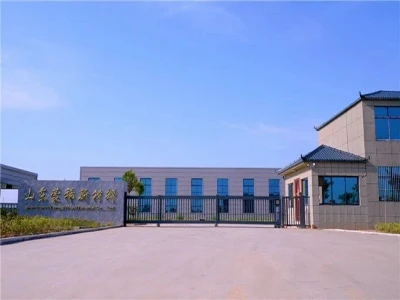
Our Factory
Beijing FreeRun Technology Co.,Ltd. was established in 2020. It is located in Shandong Province, an important industrial province in China and one of China's rare earth mineral production areas. Its main products are polishing powder/liquid in semiconductors, optics and other fields, as well as nano rare earths and anhydrous rare earths. , the company integrates rare earth R&D, production and sales.The company's products include high-purity nano rare earth oxides, rare earth polishing powders, precision polishing fluids, rare earth compounds, anhydrous rare earth and other new rare earth materials. The company will provide high-quality products and services in the fields of semiconductor CMP, semiconductor ceramics, aerospace power systems, military guidance, electric vehicles, new energy, petroleum fission, grinding/precision polishing, pharmaceutical chemicals, electronic materials and other fields.

certificate


FAQ
Q: What is erbium oxide used for?
Q: Is erbium oxide toxic?
Q: Does erbium tighten skin?
Q: Why is erbium rare?
Q: What does erbium feel like?
Q: Which is better Fraxel or erbium?
Q: What is an interesting fact about erbium?
Q: How does erbium react with water?
Q: What is special about erbium?
Q: What does erbium do to the body?
Q: What other elements does erbium react with?
Q: What does erbium feel like?
Q: Is erbium used in sunglasses?
Q: Is erbium the same as YAG?
Q: What to do before erbium?
Q: Does erbium conduct electricity?
Q: What does erbium react to?
Q: How does erbium work?
Q: What is erbium used for in everyday life?
Q: Is erbium expensive?
We're professional erbium oxide manufacturers and suppliers in China, specialized in providing high quality customized service. We warmly welcome you to wholesale erbium oxide at competitive price from our factory. Contact us for pricelist.