

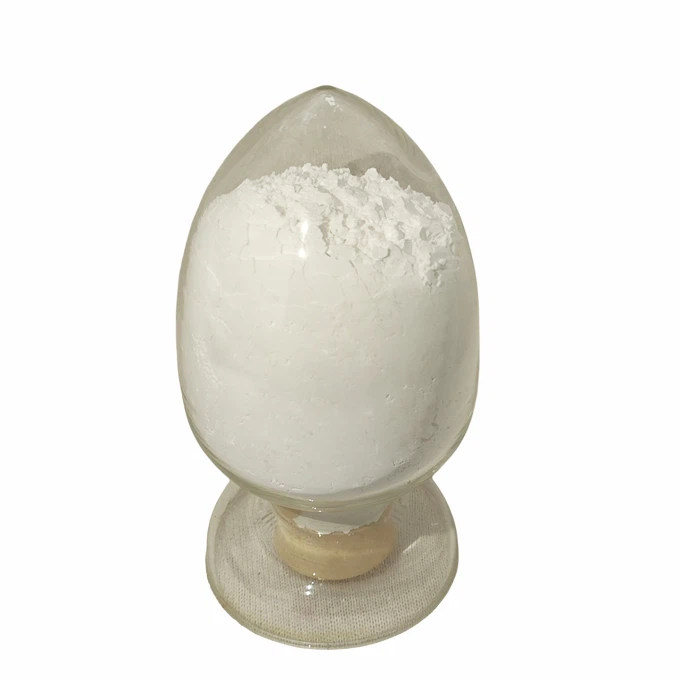
Yttrium oxide, also known as yttria, is a white, odorless, and insoluble solid compound composed of yttrium, a transition metal, and oxygen. This rare-earth compound has attracted significant interest across various industries because of its unique physical and chemical properties. One of the key properties that determine its applicability in different processes is its melting point. In this article, we will explore what the melting point of yttrium oxide is, why it matters, and how it relates to our offerings as a yttrium oxide supplier.
Understanding the Melting Point of Yttrium Oxide
The melting point of yttrium oxide is approximately 2430°C (4406°F). This high melting point is characteristic of metal oxides and is indicative of the strong ionic bonds present in the crystal lattice structure of yttrium oxide. The positive yttrium ions (Y³⁺) and negative oxygen ions (O²⁻) are held together by electrostatic forces, which require a substantial amount of energy to break. As heat is applied, the kinetic energy of the ions increases, and at the melting point, they gain enough energy to overcome the attractive forces and transition from a solid to a liquid state.
The high melting point of yttrium oxide makes it suitable for high - temperature applications. For instance, in the aerospace industry, materials with high melting points are essential for components that are exposed to extreme heat, such as turbine blades and heat shields. Yttrium oxide can be used as a coating material or as an additive in ceramic composites to enhance their high - temperature stability.
Factors Affecting the Melting Point
While the reported melting point of yttrium oxide is around 2430°C, several factors can cause slight variations. One of the main factors is purity. Impurities in yttrium oxide can disrupt the regular crystal lattice structure, weakening the ionic bonds and lowering the melting point. As a professional yttrium oxide supplier, we understand the importance of purity in determining the melting point and other properties of the product. Our Yttrium Oxide Powder is produced using advanced purification techniques to ensure high purity levels, which in turn guarantees consistent melting points and performance.
The particle size of yttrium oxide can also influence its melting behavior. In general, smaller particles have a larger surface area - to - volume ratio, which can lead to different melting kinetics compared to larger particles. Our Nano Yttrium Oxide products are engineered to have precise particle size distributions. Although the melting point of the material remains fundamentally the same at the atomic level, the unique characteristics of nano - sized particles can offer advantages in applications where rapid heating and melting are required, such as in some high - tech manufacturing processes.
Applications Leveraging the High Melting Point
Ceramics Industry
Yttrium oxide is widely used in the ceramics industry due to its high melting point and stability at elevated temperatures. It is often added to ceramic materials to improve their mechanical properties, such as hardness, strength, and thermal shock resistance. For example, in the production of advanced ceramics for cutting tools, yttrium oxide can be used as a sintering additive. During the sintering process, where the ceramic powder is heated to near its melting point to form a dense solid, the high melting point of yttrium oxide helps maintain the integrity of the ceramic structure. Our Yttrium Iii Oxide is a popular choice for ceramic manufacturers due to its consistent quality and the ability to enhance the performance of ceramic products.
Lighting Industry
In the lighting industry, yttrium oxide is used in the production of phosphors. Phosphors are materials that can absorb energy and then emit light of a specific wavelength. High - temperature stability is crucial for phosphors because they are often exposed to high temperatures during the manufacturing process and in operation. The high melting point of yttrium oxide ensures that the phosphors retain their structural integrity and performance under these conditions. Yttrium - based phosphors are commonly used in fluorescent lamps and LEDs, providing efficient and long - lasting lighting solutions.
Our Offerings as a Yttrium Oxide Supplier
We take pride in being a reliable supplier of yttrium oxide products. Our product range includes Nano Yttrium Oxide, Yttrium Iii Oxide, and Yttrium Oxide Powder, which are all produced in strict accordance with international quality standards. We have a state - of - the - art production facility equipped with advanced technology and a team of experienced professionals who are dedicated to ensuring the quality and performance of our products.
We understand that different customers have different requirements, and we are committed to providing customized solutions. Whether you need yttrium oxide for high - temperature applications, lighting, or other industries, we can work with you to meet your specific needs. Our technical support team is available to provide you with detailed product information, application guidance, and help you select the most suitable product for your project.
Conclusion
In conclusion, the melting point of yttrium oxide, approximately 2430°C, is a crucial property that determines its suitability for a wide range of high - temperature applications. Factors such as purity and particle size can influence the melting behavior, but with advanced production techniques, we are able to provide high - quality yttrium oxide products with consistent performance. Our diverse product range, commitment to quality, and technical support make us a preferred choice for customers looking for reliable yttrium oxide solutions.

If you are interested in learning more about our yttrium oxide products, or if you have specific requirements for your project, we encourage you to contact us for further discussion and potential procurement. We look forward to the opportunity to work with you and contribute to the success of your business.
References
- Handbook of Chemistry and Physics, CRC Press.
- "Yttrium Oxide: Properties, Applications, and Market Trends" - Journal of Rare Earth Materials.
- "Advanced Ceramics: Materials Science and Engineering" - Springer.