

Yttrium oxide (Y₂O₃) is a crucial rare - earth compound with a wide range of applications in various industries, including electronics, ceramics, and lighting. As a reputable yttrium oxide supplier, I understand the importance of proper storage conditions to maintain the quality and performance of this valuable material. In this blog, I will delve into the key factors to consider when storing yttrium oxide.
1. Temperature Control
Temperature plays a significant role in the storage of yttrium oxide. Yttrium oxide is generally stable at normal ambient temperatures. However, extreme temperatures can have adverse effects on its physical and chemical properties.
-
Low - temperature storage: Storing yttrium oxide at very low temperatures, close to or below freezing, is not recommended. Although yttrium oxide itself does not freeze, extremely cold conditions can cause moisture in the storage environment to condense on the surface of the powder. This moisture can lead to the formation of agglomerates, which may affect the dispersion and reactivity of the yttrium oxide when it is used in subsequent processes.
-
High - temperature storage: High temperatures can accelerate chemical reactions and may cause the yttrium oxide to react with impurities in the air or storage container. For example, if the storage temperature exceeds 200°C, there is a potential risk of oxidation or other chemical changes, especially if there are traces of reducing agents or reactive gases present. Therefore, it is advisable to store yttrium oxide in an environment where the temperature is maintained between 10°C and 30°C. This temperature range ensures the stability of the material and minimizes the risk of unwanted chemical reactions.
2. Humidity Management
Humidity is another critical factor in the storage of yttrium oxide. Yttrium oxide is hygroscopic to some extent, which means it can absorb moisture from the surrounding air.
-
Moisture absorption: When yttrium oxide absorbs moisture, it can form hydroxide compounds on its surface. These hydroxide compounds can change the surface properties of the yttrium oxide, such as its surface area and reactivity. In addition, the presence of moisture can promote the growth of microorganisms, which may contaminate the yttrium oxide.
-
Recommended humidity levels: To prevent moisture absorption, the relative humidity in the storage area should be kept below 50%. This can be achieved by using dehumidifiers or storing the yttrium oxide in a dry environment. If the yttrium oxide is stored in a sealed container, a desiccant can be added to absorb any residual moisture inside the container.
3. Protection from Light
Although yttrium oxide is not highly sensitive to light, prolonged exposure to direct sunlight or intense artificial light can have some negative effects.
-
Photochemical reactions: Light can provide energy for photochemical reactions. Although the probability of photochemical reactions in yttrium oxide is relatively low, over time, light exposure may cause some changes in the electronic structure of the material, which could potentially affect its performance in certain applications.
-
Storage in the dark: It is best to store yttrium oxide in a dark place or in opaque containers. This helps to minimize the impact of light on the material and ensures its long - term stability.
4. Storage Containers
The choice of storage containers is also important for maintaining the quality of yttrium oxide.
-
Material of the container: The container should be made of a material that is chemically inert to yttrium oxide. Common materials for storage containers include high - density polyethylene (HDPE), polypropylene (PP), and glass. These materials do not react with yttrium oxide and can provide a good barrier against moisture, air, and other contaminants.
-
Sealing properties: The container should have good sealing properties to prevent the entry of air, moisture, and dust. Airtight containers can effectively protect the yttrium oxide from the external environment. If the yttrium oxide is stored in large quantities, it can be stored in drums or silos with proper sealing mechanisms.
5. Protection from Contaminants
Yttrium oxide should be protected from various contaminants during storage.
-
Dust and particulate matter: Dust and particulate matter in the air can contaminate the yttrium oxide. Therefore, the storage area should be kept clean and free of dust. Regular cleaning of the storage area and the use of air filters can help to reduce the presence of dust.
-
Chemical contaminants: Yttrium oxide should be stored away from other chemicals, especially those that are reactive or corrosive. For example, it should not be stored near strong acids, bases, or oxidizing agents, as these chemicals can react with yttrium oxide and degrade its quality.

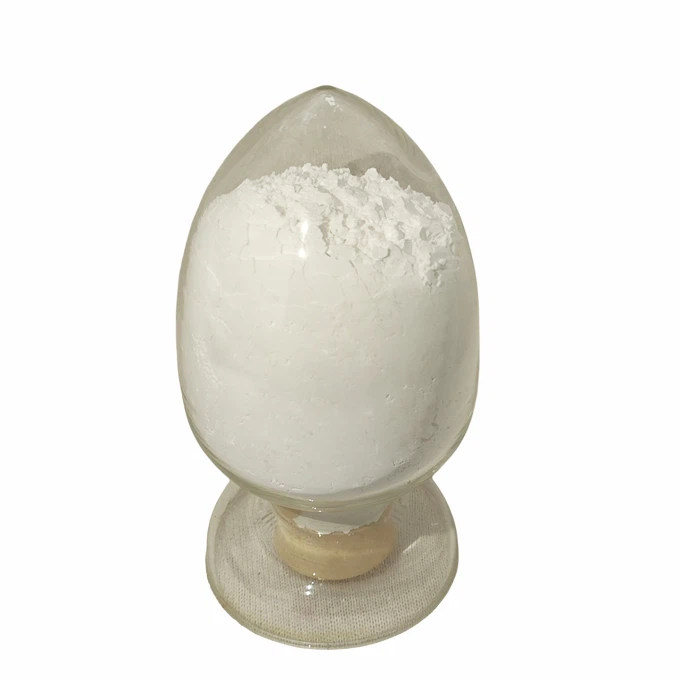
Different Forms of Yttrium Oxide and Their Storage Considerations
- Yttrium Iii Oxide: Yttrium Iii Oxide is a common form of yttrium oxide. The storage conditions for yttrium III oxide are similar to those of yttrium oxide in general. However, due to its specific chemical structure and properties, it may be more sensitive to certain environmental factors. For example, it may be more prone to oxidation in the presence of trace amounts of reducing agents. Therefore, extra care should be taken to ensure that the storage environment is free of such reducing agents.
- Yttrium Oxide Powder: Yttrium Oxide Powder has a large surface area, which makes it more susceptible to moisture absorption and contamination. When storing yttrium oxide powder, it is important to ensure that the powder is well - sealed in a container to prevent the entry of moisture and dust. In addition, the powder should be stored in a stable environment to prevent agglomeration.
- Nano Yttrium Oxide: Nano Yttrium Oxide has unique properties due to its nanoscale size. It has a much larger surface area and higher reactivity compared to bulk yttrium oxide. Therefore, nano yttrium oxide requires more stringent storage conditions. It should be stored in a completely dry and inert environment, such as in a nitrogen - filled container, to prevent oxidation and agglomeration.
Conclusion
Proper storage conditions are essential for maintaining the quality and performance of yttrium oxide. By controlling temperature, humidity, light exposure, and protecting the material from contaminants, we can ensure that the yttrium oxide remains in its optimal state for a long time. As a yttrium oxide supplier, we are committed to providing high - quality products and also offer professional advice on the storage and handling of yttrium oxide.
If you are interested in purchasing yttrium oxide or have any questions about its storage and application, please feel free to contact us for further discussion and negotiation. We look forward to working with you to meet your specific needs.
References
- Clark, J. M., & Johnson, R. A. (2015). Handbook of Rare Earth Metals. Elsevier.
- Smith, P. D., & Brown, L. T. (2018). Chemical Properties and Applications of Yttrium Compounds. Wiley.