

Hey there! As a yttrium oxide supplier, I've spent a ton of time diving deep into the world of rare - earth oxides. Today, I wanna chat about the differences between yttrium oxide and other rare - earth oxides.

First off, let's get a bit of background. Rare - earth oxides are a group of chemical compounds that are super important in various industries, from electronics to automotive. They've got some pretty unique properties that make them stand out. Yttrium oxide, in particular, has its own set of characteristics that set it apart from the rest.
Physical Properties
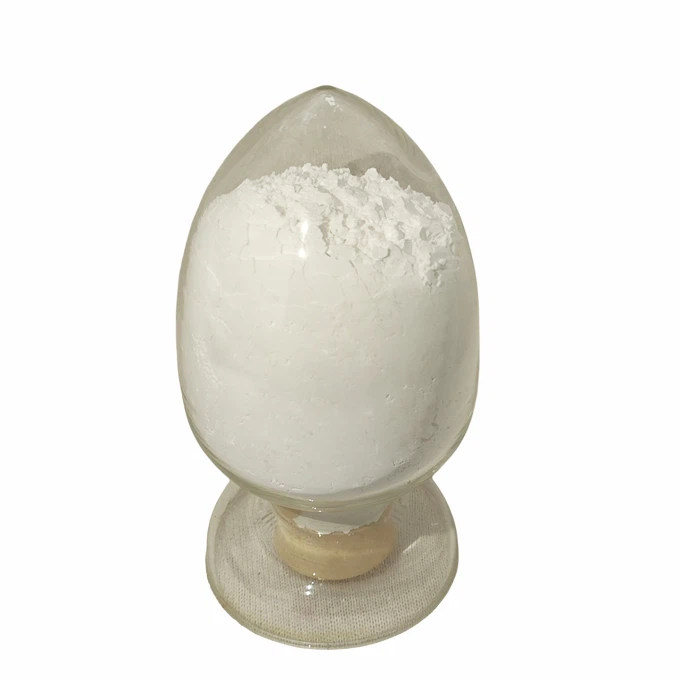
One of the most noticeable differences is in the physical appearance. Yttrium oxide is a white, odorless powder. It's quite stable under normal conditions and has a high melting point, around 2410 °C. This high melting point makes it suitable for applications where materials need to withstand high temperatures.
In contrast, other rare - earth oxides can vary widely in color. For example, cerium oxide can be yellowish - white or even pale yellow, and praseodymium oxide is a greenish - black powder. These color differences are due to the different electronic configurations of the rare - earth elements in the oxides.
The particle size also varies. We offer Nano Yttrium Oxide, which has extremely small particle sizes in the nanometer range. This gives it unique surface properties and enhanced reactivity compared to other rare - earth oxides with larger particle sizes. Other rare - earth oxides might come in different particle size distributions depending on their production methods and intended uses.
Chemical Properties
When it comes to chemical properties, yttrium oxide is amphoteric. This means it can react with both acids and bases. For instance, it can react with hydrochloric acid to form yttrium chloride and water. This property makes it useful in chemical synthesis and catalysis.
Some other rare - earth oxides, like lanthanum oxide, are basic. They react readily with acids but not so much with bases. This difference in chemical behavior is crucial in determining their applications. For example, basic rare - earth oxides are often used in acid - base catalysis reactions where they can neutralize acidic species.
Yttrium oxide also has good chemical stability. It doesn't readily react with air or water under normal conditions. This stability makes it ideal for long - term use in various environments. On the other hand, some rare - earth oxides, such as europium oxide, are more reactive and need to be stored and handled with extra care to prevent oxidation or other chemical reactions.
Applications
Now, let's talk about where these differences really matter: applications. Yttrium oxide has a wide range of uses. In the lighting industry, it's used in phosphors. When combined with other elements, it can emit different colors of light, making it essential for the production of high - quality LEDs and fluorescent lamps. Our Yttrium Oxide Powder is specifically formulated for these lighting applications, ensuring optimal performance.
It's also used in the ceramics industry. Yttrium oxide can improve the mechanical properties of ceramics, such as hardness and fracture toughness. This makes it a key ingredient in high - performance ceramics used in cutting tools, bearings, and even dental implants.
In the electronics industry, yttrium oxide is used in the production of microwave devices and magnetic materials. Its unique electrical and magnetic properties make it suitable for these high - tech applications.
Other rare - earth oxides have their own niche applications. Cerium oxide, for example, is widely used as a polishing agent in the glass industry due to its abrasive properties. Neodymium oxide is used in the production of high - strength permanent magnets, which are crucial in electric motors and generators.
Availability and Cost
Availability can also be a factor that differentiates yttrium oxide from other rare - earth oxides. Yttrium is relatively more abundant compared to some of the other rare - earth elements. This means that yttrium oxide is generally more readily available in the market.
However, the cost can still vary depending on the purity and particle size. Our Yttrium Iii Oxide is available in different purity levels, and the higher the purity, the more expensive it tends to be. Other rare - earth oxides can have different cost structures based on their rarity and the complexity of their production processes.
Environmental Impact
In terms of environmental impact, yttrium oxide is considered to be relatively less toxic compared to some other rare - earth oxides. This makes it a more environmentally friendly choice in many applications. However, the mining and production of all rare - earth oxides do have some environmental challenges, such as water pollution and land degradation.
At our company, we're committed to sustainable production methods to minimize the environmental impact of yttrium oxide production. We're constantly looking for ways to reduce waste, conserve resources, and improve the overall sustainability of our operations.
So, there you have it! The differences between yttrium oxide and other rare - earth oxides are pretty significant. Whether it's the physical appearance, chemical properties, applications, availability, or environmental impact, each rare - earth oxide has its own story.
If you're in the market for yttrium oxide or have any questions about our products, feel free to reach out. We're here to help you find the right solution for your needs. Whether you're a small - scale manufacturer or a large - scale industrial company, we can provide high - quality yttrium oxide products tailored to your requirements. Let's start a conversation and see how we can work together!
References
- Handbook of Rare Earths, Volume 1 - General Principles
- Journal of Rare Earths, various issues covering rare - earth oxide properties and applications
- International Journal of Inorganic Materials, articles on the synthesis and characterization of rare - earth oxides