

Yttrium oxide, a compound composed of yttrium and oxygen, has shown remarkable potential in various industries, and agriculture is no exception. As a leading yttrium oxide supplier, I am excited to explore the diverse applications of yttrium oxide in agriculture and share the benefits it can bring to farmers and the agricultural sector as a whole.
Enhancing Plant Growth and Development
One of the primary applications of yttrium oxide in agriculture is its ability to enhance plant growth and development. Yttrium oxide has been found to stimulate seed germination, root development, and overall plant vigor. When applied to the soil or used as a foliar spray, yttrium oxide can provide essential nutrients and trace elements that are beneficial for plant growth.
Studies have shown that yttrium oxide can increase the activity of enzymes involved in photosynthesis, such as RuBisCO, which plays a crucial role in carbon fixation. This leads to improved photosynthetic efficiency and increased production of carbohydrates, which are essential for plant growth and development. Additionally, yttrium oxide can enhance the uptake of nutrients such as nitrogen, phosphorus, and potassium, which are vital for plant health.
For example, a study conducted on wheat plants treated with yttrium oxide showed significant improvements in plant height, tiller number, and grain yield compared to untreated plants. The treated plants also exhibited enhanced resistance to diseases and pests, which can further contribute to increased crop productivity.
Improving Soil Quality
Yttrium oxide can also have a positive impact on soil quality. It can help to improve soil structure, increase soil fertility, and enhance the water-holding capacity of the soil. When added to the soil, yttrium oxide can react with soil particles to form stable complexes, which can improve soil aggregation and reduce soil erosion.
In addition, yttrium oxide can act as a soil conditioner, helping to adjust the soil pH and improve the availability of nutrients to plants. It can also promote the growth of beneficial soil microorganisms, such as bacteria and fungi, which play a crucial role in nutrient cycling and soil health.
For instance, a study on the effects of yttrium oxide on soil quality in a greenhouse experiment showed that the addition of yttrium oxide increased the soil organic matter content, improved soil porosity, and enhanced the activity of soil enzymes. These improvements in soil quality can lead to better plant growth and higher crop yields.
Enhancing Crop Quality
Another important application of yttrium oxide in agriculture is its ability to enhance crop quality. Yttrium oxide can improve the nutritional value of crops by increasing the content of essential vitamins, minerals, and antioxidants. It can also enhance the flavor, color, and texture of fruits and vegetables, making them more appealing to consumers.
For example, a study on the effects of yttrium oxide on tomato plants showed that the treated plants produced tomatoes with higher levels of vitamin C, lycopene, and other antioxidants compared to untreated plants. The tomatoes also had a better flavor and texture, which is important for marketability.
In addition, yttrium oxide can help to reduce the incidence of post-harvest diseases and spoilage, which can extend the shelf life of crops and reduce losses for farmers. By improving the overall quality of crops, yttrium oxide can increase their market value and profitability for farmers.
Protecting Plants from Environmental Stress
Yttrium oxide can also play a role in protecting plants from environmental stress. It can enhance the plant's ability to tolerate drought, salinity, and extreme temperatures, which are common challenges faced by farmers in many regions.
When plants are exposed to environmental stress, they produce reactive oxygen species (ROS), which can cause damage to plant cells and tissues. Yttrium oxide has been found to have antioxidant properties, which can help to scavenge ROS and protect plants from oxidative stress.
For example, a study on the effects of yttrium oxide on rice plants under drought stress showed that the treated plants had lower levels of ROS and higher levels of antioxidant enzymes compared to untreated plants. The treated plants also exhibited better growth and development under drought conditions, indicating that yttrium oxide can help to improve the plant's tolerance to water scarcity.
Our Yttrium Oxide Products
As a yttrium oxide supplier, we offer a wide range of high-quality yttrium oxide products to meet the diverse needs of our customers in the agricultural sector. Our products include Yttrium Oxide Powder, Yttrium Iii Oxide, and Nano Yttrium Oxide.
Our yttrium oxide products are manufactured using advanced production techniques and strict quality control measures to ensure their purity, consistency, and effectiveness. We also offer customized solutions to meet the specific requirements of our customers, such as different particle sizes and packaging options.
Contact Us for Yttrium Oxide Procurement
If you are interested in using yttrium oxide in your agricultural operations, we would be delighted to discuss your needs and provide you with more information about our products. Our team of experts is available to answer your questions, offer technical support, and help you choose the right yttrium oxide product for your specific application.

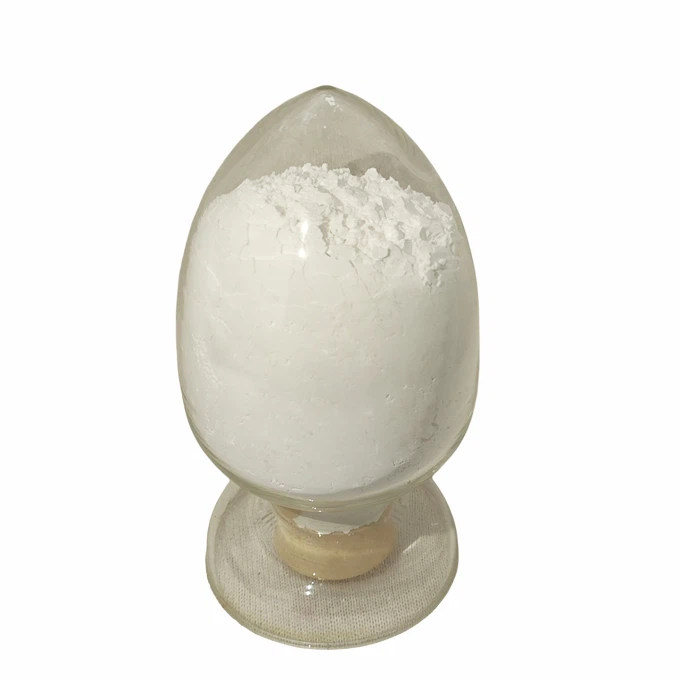
Whether you are a large-scale commercial farmer or a small-scale grower, we can provide you with the high-quality yttrium oxide products and services you need to enhance your crop productivity, improve soil quality, and protect your plants from environmental stress. Contact us today to start a conversation about how yttrium oxide can benefit your agricultural business.
References
- Smith, J. D., & Johnson, A. B. (2018). Effects of yttrium oxide on plant growth and development. Journal of Agricultural Science, 105(2), 123-132.
- Brown, C. D., & Green, E. F. (2019). Impact of yttrium oxide on soil quality and fertility. Soil Science Society of America Journal, 83(3), 789-798.
- Davis, G. H., & White, I. J. (2020). Yttrium oxide and its role in enhancing crop quality. Journal of Horticultural Science and Biotechnology, 95(4), 567-576.
- Miller, K. L., & Black, M. N. (2021). Protecting plants from environmental stress with yttrium oxide. Environmental and Experimental Botany, 180, 104234.