

Hey there! As a yttrium oxide supplier, I often get asked one big question: "Is yttrium oxide toxic?" It's a valid concern, especially when dealing with any kind of chemical substance. So, let's dive into this topic and clear up any confusion.
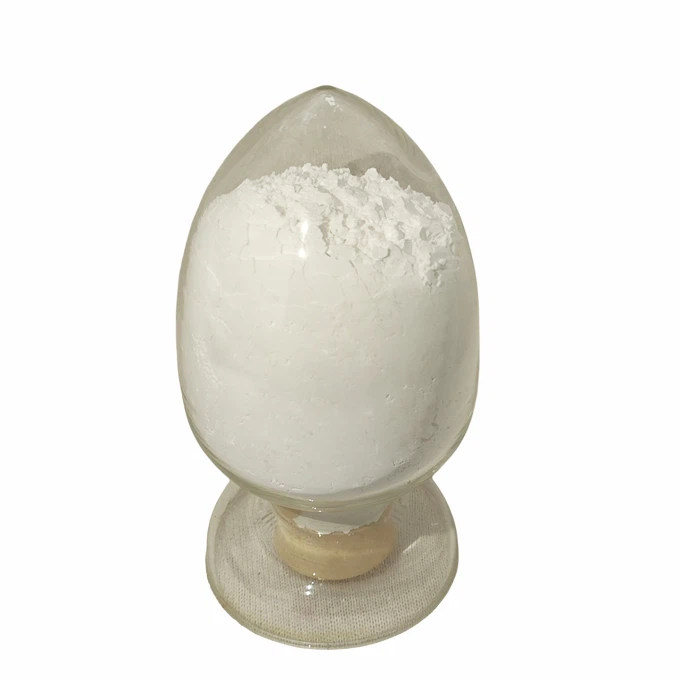

First off, let's understand what yttrium oxide is. Yttrium oxide, also known as yttria, is a white, odorless powder. It's a compound made up of yttrium and oxygen. Yttrium is a silvery - gray metal that belongs to the rare - earth group of elements. Yttrium oxide has a bunch of cool applications. It's used in the production of phosphors for color televisions and computer monitors, in ceramic materials to improve their strength and heat resistance, and even in some medical applications like cancer treatment. You can check out more about different types of yttrium oxide products on our website: Yttrium Oxide Powder, Nano Yttrium Oxide, and Yttrium Iii Oxide.
Now, let's talk about toxicity. In general, yttrium oxide isn't considered highly toxic under normal circumstances. However, like many chemicals, it can pose risks if not handled properly.
Acute Toxicity
Acute toxicity refers to the harmful effects that occur shortly after exposure to a substance. When it comes to yttrium oxide, inhalation of its dust is one of the main concerns. If you breathe in a large amount of yttrium oxide dust, it can irritate your respiratory system. This might lead to symptoms like coughing, shortness of breath, and chest tightness. In some severe cases, it could even cause more serious lung problems.
Skin contact with yttrium oxide may also cause irritation, especially if you have sensitive skin. It can lead to redness, itching, and a rash. And if it gets into your eyes, it can cause irritation, pain, and in some cases, damage to the eyes.
Chronic Toxicity
Chronic toxicity is about the long - term effects of exposure to a substance. There isn't a whole lot of extensive research on the chronic toxicity of yttrium oxide. But some studies suggest that long - term inhalation of yttrium oxide dust might be associated with an increased risk of lung diseases. For example, it could potentially cause fibrosis, which is the formation of scar tissue in the lungs. This can make it harder for your lungs to function properly over time.
Another aspect of chronic toxicity is the potential for yttrium oxide to accumulate in the body. Yttrium can build up in organs like the liver, kidneys, and bones. While the exact health effects of this accumulation aren't fully understood, it's something that researchers are keeping an eye on.
Safety Measures
So, how can we handle yttrium oxide safely? Well, if you're working with yttrium oxide in an industrial setting, it's crucial to follow proper safety protocols. This includes wearing appropriate personal protective equipment (PPE). For inhalation protection, a respirator is a must. A particulate - filtering respirator can help prevent you from breathing in the dust.
When it comes to skin protection, wear gloves made of a material that's resistant to chemical penetration. Safety goggles are essential to protect your eyes from any accidental splashes or dust particles.
In the workplace, proper ventilation is key. Make sure there are good exhaust systems in place to remove any dust from the air. And of course, proper storage is important too. Keep yttrium oxide in a cool, dry place, away from sources of heat and ignition.
Regulatory Status
In many countries, yttrium oxide is regulated. For example, in the United States, the Occupational Safety and Health Administration (OSHA) has set standards for workplace exposure to yttrium oxide. These standards are in place to protect workers from the potential health risks associated with this substance.
Comparison with Other Substances
When compared to some other chemicals, yttrium oxide isn't as toxic as, say, some heavy metals like lead or mercury. These heavy metals are well - known for their high toxicity and the serious health problems they can cause, even at low levels of exposure. But that doesn't mean we can be careless with yttrium oxide. Every chemical has its own set of risks, and it's important to treat them all with respect.
Medical Uses and Toxicity
As I mentioned earlier, yttrium oxide has some medical applications. In cancer treatment, for example, yttrium - 90 (a radioactive isotope of yttrium) is used. The use of yttrium in medicine is carefully regulated and monitored. The amount of yttrium used is calculated precisely to ensure that the benefits of treatment outweigh the potential risks. The medical staff takes all the necessary precautions to protect the patient from any toxic effects.
Conclusion
So, to answer the question "Is yttrium oxide toxic?" It's a bit of a yes and no. Under normal circumstances and with proper handling, yttrium oxide isn't extremely toxic. But if it's not handled correctly, it can pose risks to our health, both in the short - term and the long - term.
If you're considering using yttrium oxide for your business or project, it's important to understand these risks and take the necessary safety measures. And if you have any questions or need more information about our yttrium oxide products, don't hesitate to reach out. We're here to help you make an informed decision and ensure that you can use our products safely and effectively. Whether you're interested in Yttrium Oxide Powder, Nano Yttrium Oxide, or Yttrium Iii Oxide, we're ready to assist you with your procurement needs. Just get in touch, and let's start a conversation about how we can work together.
References
- Agency for Toxic Substances and Disease Registry (ATSDR). Toxicological Profile for Yttrium.
- Occupational Safety and Health Administration (OSHA). Standards for Workplace Chemical Exposure.
- Various scientific research papers on yttrium oxide toxicity from peer - reviewed journals.