

Hey there! I'm super stoked to chat with you about how yttrium oxide is produced. As a supplier of this awesome stuff, I've got the lowdown on the whole process. So, let's dive right in!
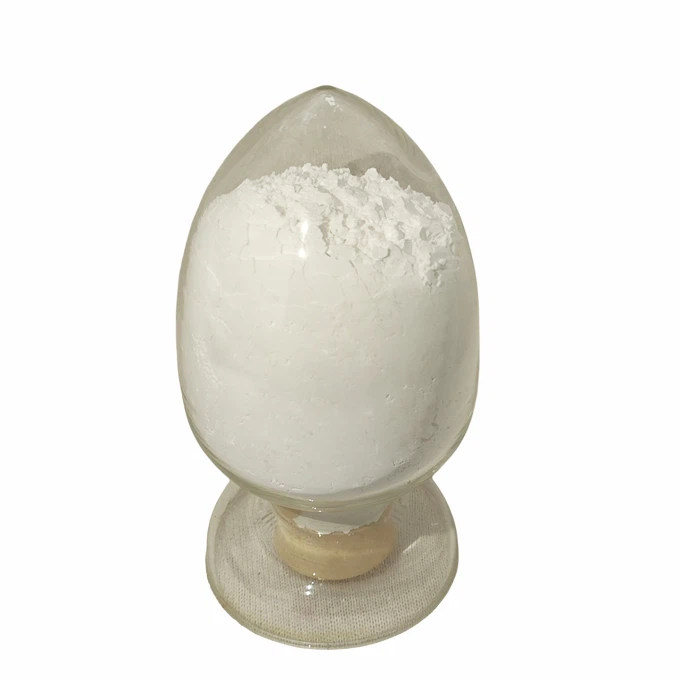
First off, what exactly is yttrium oxide? Well, it's a white, powdery compound that's super useful in a whole bunch of industries. You can find it in everything from ceramics and electronics to lighting and even some medical applications. It's pretty much everywhere!
Now, let's talk about where yttrium comes from. Yttrium is a rare earth element, which means it's not exactly easy to come by. It's usually found in minerals like xenotime and monazite, which are mined from the earth. These minerals are often found in places like China, Australia, and the United States.

Once the minerals are mined, the next step is to extract the yttrium. This is usually done through a process called hydrometallurgy. In this process, the minerals are crushed and then treated with chemicals to dissolve the yttrium and separate it from the other elements in the mineral. This results in a solution that contains yttrium ions.
After the yttrium is extracted, the next step is to purify it. This is really important because impurities can affect the quality and performance of the yttrium oxide. Purification is usually done through a series of chemical reactions and processes. One common method is called solvent extraction. In this method, the yttrium solution is mixed with a solvent that selectively binds to the yttrium ions, leaving the other impurities behind. The yttrium is then separated from the solvent and further purified.
Once the yttrium is purified, it's time to turn it into yttrium oxide. This is done through a process called calcination. In calcination, the purified yttrium compound is heated to a high temperature, usually around 1000 - 1200 degrees Celsius. This causes the compound to decompose and form yttrium oxide. The resulting yttrium oxide is a fine, white powder.
There are different types of yttrium oxide that we supply. For example, we have Yttrium Oxide Powder, which is widely used in various industries. It has great properties like high melting point and good chemical stability. Then there's Nano Yttrium Oxide. This is a special type of yttrium oxide where the particles are extremely small, in the nanometer range. Nano yttrium oxide has unique properties that make it useful in advanced applications like nanotechnology and high - performance ceramics. And we also offer Yttrium Iii Oxide, which is another form of yttrium oxide with its own set of applications.
The production process is not just about following these steps. We also have strict quality control measures in place. At every stage of the production, we test the yttrium and yttrium oxide to make sure it meets the highest standards. We use advanced analytical techniques like X - ray diffraction and spectroscopy to analyze the composition and structure of the product.
As a supplier, we know that different customers have different needs. Some might need a large quantity of yttrium oxide for a big industrial project, while others might only need a small amount for research purposes. That's why we're flexible in our production and can customize the quantity and quality of the yttrium oxide we supply.
We also understand the importance of environmental protection. In our production process, we try to minimize waste and reduce the use of harmful chemicals. We recycle as much as possible and follow all the environmental regulations to make sure our production is sustainable.
If you're in the market for yttrium oxide, whether it's for a new project or to replace your current supplier, we'd love to hear from you. We've got the experience and expertise to provide you with high - quality yttrium oxide at a competitive price. Whether you need Yttrium Oxide Powder, Nano Yttrium Oxide, or Yttrium Iii Oxide, we can help. So, don't hesitate to reach out to us for a quote or to discuss your specific requirements.
In conclusion, the production of yttrium oxide is a complex but fascinating process. From mining the raw materials to purifying and finally calcining to get the final product, every step is crucial. And as a supplier, we're committed to providing the best quality yttrium oxide to our customers. So, if you're interested in learning more or making a purchase, just get in touch!
References
- "Handbook of Rare Earths" by K. A. Gschneidner Jr., J.-C. Bünzli, and V. K. Pecharsky
- "Rare Earth Elements: Chemistry and Applications" by A. D. Gelbman