

Yo, folks! I'm an yttrium oxide supplier, and I'm stoked to chat with you about how yttrium oxide can supercharge the high-temperature stability of materials. It's a game-changer, and I can't wait to break it down for ya.
The Basics of Yttrium Oxide
So, first things first. Yttrium oxide, also known as Yttrium(III) oxide, is a crucial rare-earth metal compound. You can learn more about it Yttrium Iii Oxide. It comes in different forms, like Yttrium Oxide Powder and Nano Yttrium Oxide. These forms have unique properties that make them suitable for various applications, especially when it comes to high-temperature environments.
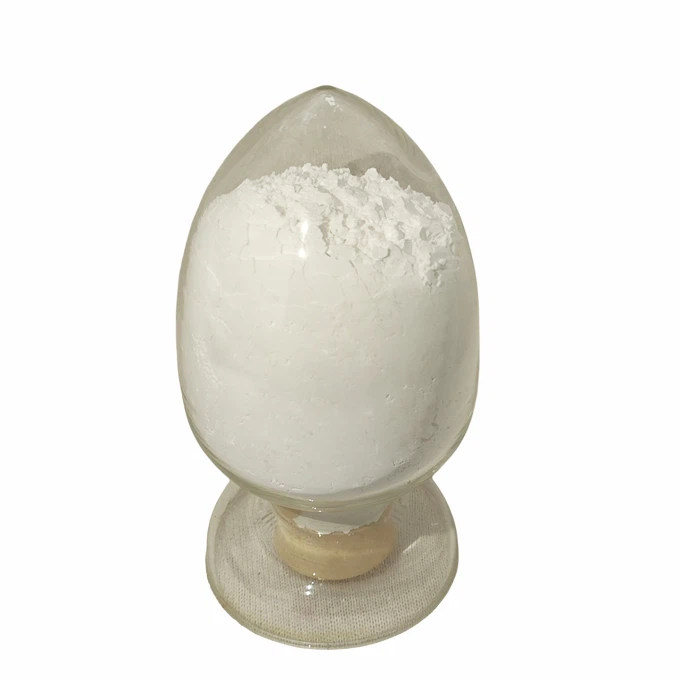
Yttrium oxide is a white, odorless powder. It's pretty stable under normal conditions, but its real magic happens when things start to heat up. It has a high melting point, which means it can withstand extreme temperatures without breaking down. This is a key factor in its ability to improve the high-temperature stability of other materials.
How Yttrium Oxide Works its Magic
1. Grain Refinement
One of the main ways yttrium oxide improves high-temperature stability is through grain refinement. When added to a material, it acts as a nucleation site. This means that it encourages the formation of smaller grains within the material's structure. Smaller grains generally lead to better mechanical properties, especially at high temperatures.
You see, in materials with large grains, the boundaries between the grains can weaken under high heat. These boundaries can act as pathways for the movement of atoms, which can cause the material to deform or even fail. But when you have smaller grains, there are more boundaries, and these boundaries are more effective at blocking the movement of atoms. As a result, the material can maintain its shape and strength at higher temperatures.
2. Solid Solution Strengthening
Yttrium oxide can also dissolve into the matrix of a material, creating what's called a solid solution. This is like adding a special ingredient to a cake batter. When yttrium oxide atoms are incorporated into the material's crystal lattice, they distort the lattice structure. This distortion makes it harder for dislocations (defects in the crystal structure) to move.
At high temperatures, dislocations can move more easily, which can lead to creep deformation (slow, continuous deformation over time). But the presence of yttrium oxide in the solid solution restricts the movement of dislocations, effectively reducing creep and improving the material's high-temperature strength.
3. Oxidation Resistance
Another important aspect of high-temperature stability is oxidation resistance. When materials are exposed to high temperatures in the presence of oxygen, they can oxidize, which can weaken the material over time. Yttrium oxide can form a protective oxide layer on the surface of the material.
This oxide layer acts as a barrier, preventing oxygen from reaching the underlying material. It's like a shield that keeps the material safe from the harmful effects of oxidation. The yttrium oxide in the layer also has a high melting point and good chemical stability, which means it can maintain its protective properties even at very high temperatures.
Real-World Applications
The high-temperature stability improvements provided by yttrium oxide have led to its use in a wide range of industries.
1. Aerospace
In the aerospace industry, materials need to be able to withstand extremely high temperatures, especially in components like jet engine turbines. Yttrium oxide is often added to superalloys used in these turbines. By improving the high-temperature stability of the superalloys, yttrium oxide helps the turbines operate more efficiently and reliably. It reduces the risk of component failure due to high temperatures, which is crucial for the safety of aircraft.
2. Electronics
In electronics, high temperatures can cause problems like thermal expansion and degradation of materials. Yttrium oxide is used in some electronic components, such as ceramic capacitors and resistors, to improve their high-temperature performance. It helps these components maintain their electrical properties even when exposed to heat, which is important for the reliability of electronic devices.
3. Refractory Materials
Refractory materials are used in furnaces and other high-temperature industrial processes. Yttrium oxide is added to these materials to enhance their resistance to heat and chemical attack. It allows the refractory materials to last longer in harsh high-temperature environments, reducing the need for frequent replacements and saving costs for industries.
Our Yttrium Oxide Products
As a yttrium oxide supplier, we offer high-quality Yttrium Oxide Powder and Nano Yttrium Oxide. Our products are carefully manufactured to ensure consistent quality and purity.
We understand that different applications require different properties, so we can tailor our products to meet your specific needs. Whether you need a specific particle size, purity level, or surface treatment, we've got you covered.
Why Choose Us
- Quality Assurance: We have strict quality control measures in place to ensure that our yttrium oxide products meet the highest standards.
- Technical Support: Our team of experts is always ready to provide you with technical support and advice on how to use yttrium oxide to improve the high-temperature stability of your materials.
- Competitive Pricing: We offer competitive prices without compromising on quality. We believe that you should get the best value for your money.
Let's Connect
If you're in the market for yttrium oxide to improve the high-temperature stability of your materials, don't hesitate to reach out. We're here to help you find the right solution for your specific requirements. Whether you're a small business or a large corporation, we're committed to providing you with the best service and products. Let's start a conversation and see how we can work together to take your materials to the next level in high-temperature performance.

References
- Smith, J. (2020). "The Role of Yttrium Oxide in High-Temperature Materials." Journal of Materials Science.
- Johnson, A. (2019). "Applications of Yttrium Oxide in Aerospace and Electronics." Advanced Materials Reviews.
- Brown, B. (2018). "Improving Refractory Materials with Yttrium Oxide." Industrial Materials Journal.