

Yttrium oxide, a compound of yttrium and oxygen, has drawn significant attention in recent years due to its potential effects on plant growth. As a supplier of high - quality yttrium oxide products such as Yttrium Iii Oxide, Yttrium Oxide Powder, and Nano Yttrium Oxide, I have been closely observing the research and applications related to this topic. In this blog, I will delve into how yttrium oxide affects the growth of plants based on the latest scientific findings.
Physical and Chemical Properties of Yttrium Oxide
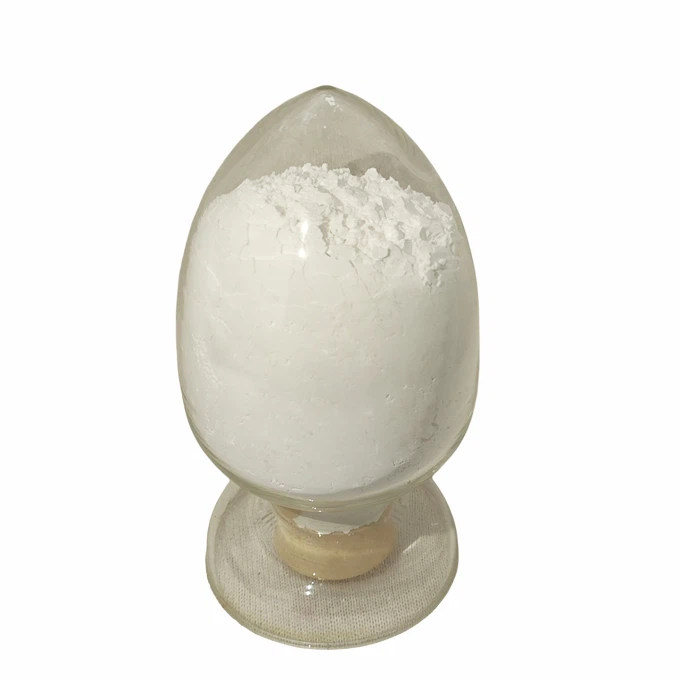
Before discussing its impact on plant growth, it's essential to understand the physical and chemical properties of yttrium oxide. Yttrium oxide (Y₂O₃) is a white, odorless powder. It has a high melting point and is insoluble in water but soluble in strong mineral acids. These properties play a crucial role in how it interacts with the soil and plants. In the soil environment, its solubility in acids can influence the bioavailability of yttrium to plants.
Effects on Seed Germination
One of the initial stages of plant growth is seed germination. Some studies have shown that low - concentration yttrium oxide can have a positive effect on seed germination. For example, in certain crop seeds, the presence of yttrium oxide in the germination medium can increase the germination rate. It is hypothesized that yttrium oxide may affect the enzyme activity involved in seed germination. Enzymes such as amylase, which is responsible for breaking down starch in seeds into sugars for energy, may be activated by yttrium ions released from yttrium oxide. This activation can accelerate the metabolic processes in seeds, leading to faster and more efficient germination.
However, high - concentration yttrium oxide can have the opposite effect. Excessive amounts of yttrium oxide in the soil can create an unfavorable environment for seed germination. It may cause an imbalance in the osmotic pressure around the seeds, preventing water uptake, which is essential for the initiation of germination. Moreover, high - level yttrium exposure can be toxic to the embryo within the seed, leading to reduced viability and lower germination rates.
Influence on Root Growth
Roots are the anchor of plants and are responsible for nutrient and water uptake. Yttrium oxide can have a significant impact on root growth. At appropriate concentrations, yttrium oxide can stimulate root elongation. It may enhance the division and elongation of root cells. Some research suggests that yttrium ions can interact with plant hormones, such as auxins, which play a key role in root development. By modulating the activity of auxins, yttrium oxide can promote the formation of lateral roots and increase the root surface area. This, in turn, improves the plant's ability to absorb nutrients and water from the soil.
On the other hand, when the concentration of yttrium oxide is too high, it can inhibit root growth. High levels of yttrium can disrupt the normal physiological processes in root cells. It may interfere with the uptake of essential nutrients such as calcium, magnesium, and iron. Since these nutrients are crucial for cell wall synthesis, membrane integrity, and enzyme activation in roots, their reduced availability due to yttrium interference can lead to stunted root growth and poor plant establishment.

Effects on Photosynthesis
Photosynthesis is the process by which plants convert light energy into chemical energy. Yttrium oxide can affect this vital process. In some cases, low - dose yttrium oxide can enhance photosynthetic efficiency. It may increase the activity of photosynthetic enzymes, such as ribulose - 1,5 - bisphosphate carboxylase/oxygenase (Rubisco), which is responsible for carbon fixation in the Calvin cycle. By improving the efficiency of carbon fixation, more carbohydrates can be produced, leading to increased plant biomass.
In addition, yttrium oxide may also affect the structure and function of chloroplasts, the organelles where photosynthesis takes place. It can help maintain the integrity of thylakoid membranes within chloroplasts, which are essential for light - harvesting and electron transport. However, at high concentrations, yttrium oxide can damage the photosynthetic apparatus. It can cause oxidative stress in chloroplasts, leading to the production of reactive oxygen species (ROS). These ROS can damage chlorophyll molecules and other components of the photosynthetic machinery, resulting in reduced photosynthetic rates and decreased plant growth.
Impact on Nutrient Uptake
Yttrium oxide can influence the uptake of other nutrients by plants. As mentioned earlier, yttrium ions can interact with essential nutrients in the soil. At low concentrations, yttrium oxide may enhance the uptake of certain nutrients. For example, it can promote the uptake of phosphorus by plants. Yttrium ions can form complexes with phosphorus in the soil, making it more available for plant roots to absorb.
However, high - level yttrium exposure can disrupt the balance of nutrient uptake. It can compete with other cations, such as potassium, calcium, and magnesium, for binding sites on root cell membranes. This competition can lead to reduced uptake of these essential nutrients, causing nutrient deficiencies in plants. Nutrient deficiencies can manifest as various symptoms, such as yellowing of leaves, poor growth, and reduced resistance to diseases.
Role in Stress Resistance
Plants often face various environmental stresses, such as drought, salinity, and heavy metal toxicity. Yttrium oxide may play a role in enhancing plant stress resistance. Some studies have shown that pre - treatment of plants with low - concentration yttrium oxide can increase their tolerance to drought stress. It may help plants maintain a higher water content by regulating stomatal closure. Stomata are small pores on the surface of leaves that control gas exchange and water loss. By modulating stomatal behavior, yttrium oxide can reduce water evaporation from plants during drought conditions.
In terms of heavy metal stress, yttrium oxide can also have a protective effect. It can form complexes with heavy metals in the soil, reducing their bioavailability to plants. This can prevent the accumulation of toxic heavy metals in plant tissues, thereby protecting the plant from heavy metal - induced damage.
Application in Agriculture
The potential effects of yttrium oxide on plant growth have led to its exploration as a novel agricultural additive. Farmers and researchers are interested in using yttrium oxide - based fertilizers or soil amendments to improve crop yields and quality. However, it is crucial to determine the optimal application rate. Based on the research findings, the application of yttrium oxide should be carefully calibrated to ensure that it provides the beneficial effects without causing toxicity.
Conclusion
In conclusion, yttrium oxide can have both positive and negative effects on plant growth, depending on its concentration. At appropriate levels, it can enhance seed germination, root growth, photosynthesis, nutrient uptake, and stress resistance. However, high concentrations can be toxic to plants, leading to reduced growth and development. As a supplier of yttrium oxide products, I am committed to providing high - quality yttrium oxide with clear information on its proper use in agriculture.
If you are interested in exploring the potential of yttrium oxide for your agricultural needs or have any questions regarding our Yttrium Iii Oxide, Yttrium Oxide Powder, or Nano Yttrium Oxide products, please feel free to contact us for further discussion and potential procurement opportunities.
References
- Alloway, B. J. (2013). Heavy Metals in Soils: Trace Metals and Metalloids in Soils and Their Bioavailability. Springer Science & Business Media.
- Glick, B. R. (2010). Using soil bacteria to facilitate phytoremediation. Biotechnology Advances, 28(3), 367 - 374.
- Marschner, P. (2012). Mineral Nutrition of Higher Plants. Academic Press.