

Choosing the right grade of ceric chloride for a specific application can be a bit of a head - scratcher. But don't worry! As a ceric chloride supplier, I'm here to walk you through the process and make it as easy as pie.
First off, let's understand what ceric chloride is. Ceric chloride, also known as cerium(IV) chloride, is a compound that has a wide range of uses in different industries. It's got some pretty nifty chemical properties that make it useful in things like catalysts, electronics, and even in some analytical chemistry applications.
The grade of ceric chloride mainly refers to its purity level. And this purity can have a huge impact on how well it works in your application. There are several factors you need to think about when picking the appropriate grade.
Purity Requirements
The most important thing to consider is the purity of the ceric chloride. Different applications demand different levels of purity. For instance, in high - end electronics, where even the tiniest impurity can mess up the performance, you'll need a very high - purity grade. On the other hand, if you're using it for some general laboratory experiments or less sensitive industrial processes, a lower - purity grade might do the trick.

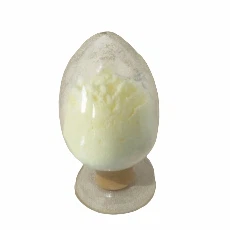
High - purity ceric chloride, usually 99.9% or higher, is ideal for applications like semiconductor manufacturing. In this field, the performance of the electronic devices depends on the quality of the materials used. Even a small amount of impurity can cause defects in the semiconductor chips, leading to malfunctions. So, when you're dealing with semiconductor production, you can't skimp on the purity of ceric chloride.
For applications in catalysis, the purity requirements can vary. Some catalytic reactions are very sensitive to impurities, and a high - purity ceric chloride will ensure better catalytic activity and selectivity. However, there are also some catalytic processes that are more forgiving, and a lower - purity grade (say, 95 - 98%) can still work effectively.
Impurity Tolerance
Another aspect to consider is the type and amount of impurities that your application can tolerate. Different impurities can have different effects on the performance of ceric chloride in various applications.
For example, metallic impurities like iron, copper, and nickel can sometimes interfere with chemical reactions. In analytical chemistry, where you're trying to accurately measure the concentration of certain substances, these metallic impurities can cause false readings. So, if you're using ceric chloride for analytical purposes, you need to choose a grade with low levels of these metallic impurities.
Non - metallic impurities such as sulfur and phosphorus can also be a problem in some applications. In the production of certain optical materials, sulfur impurities can affect the transparency and refractive index of the final product. So, you'll need to select a ceric chloride grade with a low sulfur content.
Particle Size and Physical Form
The particle size and physical form of ceric chloride can also play a role in its suitability for different applications. Ceric chloride is available in various forms, such as powder and solution.
In some applications, like in the preparation of thin films for electronic devices, a fine - powder form of ceric chloride is preferred. The fine particles can be more evenly dispersed, which is crucial for achieving a uniform film thickness. On the other hand, if you're using it in a liquid - phase reaction, a ceric chloride solution might be more convenient.
The particle size can also affect the reaction rate. Smaller particles generally have a larger surface area, which can lead to faster reaction kinetics. So, if you need a quick reaction, you might want to choose a ceric chloride with a smaller particle size.
Cost Considerations
Let's face it, cost is always a factor. High - purity ceric chloride is usually more expensive than lower - purity grades. You need to balance the cost with the requirements of your application.
If your application can tolerate a lower - purity grade without sacrificing too much performance, it might be more cost - effective to go for that option. However, if the performance of your final product depends critically on the purity of ceric chloride, then the extra cost of a high - purity grade is probably worth it.
Related Rare - Earth Chlorides
There are also some other rare - earth chlorides that might be relevant to your application. For example, Terbium Chloride Hexahydrate has its own unique properties and applications. It can be used in phosphors for lighting and display applications.
Lanthanum Chloride Cerium is another compound that can sometimes be used in combination with ceric chloride or as an alternative in certain applications. It has different chemical and physical properties compared to ceric chloride, and depending on your needs, it might be a better fit.
Dysprosium Chloride is also used in various fields, such as in the production of magnets and in some catalytic reactions. Understanding the properties and applications of these related rare - earth chlorides can help you make a more informed decision when choosing the appropriate grade of ceric chloride.
Making the Right Choice
So, how do you actually go about choosing the right grade of ceric chloride? Here are some steps you can follow:
- Understand your application: Clearly define the requirements of your application, including the purity, impurity tolerance, particle size, and physical form.
- Research different grades: Look into the different grades of ceric chloride available in the market. Check the specifications provided by suppliers to see which ones meet your requirements.
- Consider cost - effectiveness: Compare the costs of different grades and weigh them against the performance benefits.
- Consult with experts: If you're still unsure, don't hesitate to consult with experts in the field. They can provide valuable insights based on their experience.
As a ceric chloride supplier, I'm always here to help you make the right choice. Whether you're a small - scale laboratory or a large - scale industrial manufacturer, I can offer you a range of ceric chloride grades to suit your needs. If you're interested in learning more or discussing your specific requirements, feel free to reach out. We can have a detailed chat about which grade of ceric chloride is the best fit for your application, and start a procurement discussion.
References
- "Handbook of Rare Earths", edited by K. A. Gschneidner Jr., J.-C. Bünzli, and V. K. Pecharsky.
- Journal articles on the applications of ceric chloride in different industries, such as the Journal of Chemical Technology and Biotechnology.