

Yo, folks! As an erbium oxide supplier, I've been getting a lot of questions lately about how erbium oxide contributes to thermoelectric performance. So, I thought I'd break it down for you in this blog post.
First off, let's talk a bit about thermoelectric materials. These are materials that can convert heat into electricity or vice versa. They're super useful in a bunch of applications, like waste heat recovery in engines, refrigeration systems, and even powering small electronic devices. The performance of a thermoelectric material is usually measured by something called the figure of merit, or ZT. A higher ZT means better thermoelectric performance.
Now, erbium oxide is a pretty interesting compound when it comes to thermoelectric stuff. It's a rare - earth oxide, and these rare - earth compounds often have unique electronic and magnetic properties that can be harnessed for thermoelectric applications.

One of the key ways erbium oxide contributes to thermoelectric performance is through its electronic structure. Erbium has a specific arrangement of electrons in its atomic orbitals. This electronic configuration can affect the movement of charge carriers (like electrons and holes) in a thermoelectric material. When erbium oxide is added to a base thermoelectric material, it can act as a dopant. A dopant is like a little helper that changes the number and mobility of charge carriers.
For example, in some cases, erbium oxide can increase the number of free electrons in the material. More free electrons mean better electrical conductivity. Electrical conductivity is one of the important factors in determining the thermoelectric figure of merit. If the electrical conductivity goes up, and other factors like thermal conductivity don't increase too much, the ZT value can improve.
Another aspect is the phonon - scattering effect. Phonons are basically vibrations in the crystal lattice of a material. They carry heat in a solid. In a good thermoelectric material, you want to have high electrical conductivity but low thermal conductivity. That's because you want to convert the heat into electricity rather than letting it just pass through the material. Erbium oxide can scatter phonons. When phonons are scattered, they have a harder time moving through the material, which reduces the thermal conductivity.
Let's take a look at some real - world examples. In some research studies, scientists have added erbium oxide to bismuth telluride, a well - known thermoelectric material. By adding a small amount of erbium oxide, they were able to see an improvement in the thermoelectric performance. The erbium oxide helped to optimize the carrier concentration and also reduced the thermal conductivity, leading to a higher ZT value.
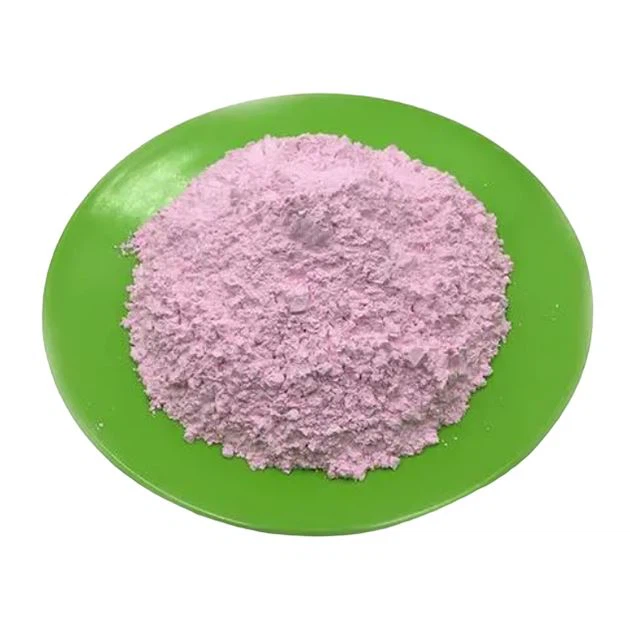
Now, I'm sure you're wondering where you can get high - quality erbium oxide for your thermoelectric projects. Well, we offer different types of erbium oxide products. We have Erbium Oxide Powder. This powder is finely ground and has a high purity level. It's easy to mix with other materials, making it a great choice for doping thermoelectric materials.
If you're looking for something more advanced, we also have Nano Erbium Oxide. Nanoparticles have unique properties due to their small size. The nano - sized erbium oxide can have a more significant impact on the electronic and thermal properties of a thermoelectric material because of its large surface - to - volume ratio.
And then there's Erbium Iii Oxide. This particular form of erbium oxide has specific chemical and physical properties that can be tailored for different thermoelectric applications.
So, if you're working on a thermoelectric project and you think erbium oxide could be the key to improving your material's performance, don't hesitate to get in touch. We're here to help you find the right erbium oxide product for your needs. Whether you're a researcher in a lab or a manufacturer looking to enhance your thermoelectric devices, we've got you covered.
In conclusion, erbium oxide can contribute to thermoelectric performance in multiple ways. Its electronic properties can optimize charge - carrier transport, and its phonon - scattering ability can reduce thermal conductivity. By using our high - quality erbium oxide products, you can take your thermoelectric projects to the next level. So, reach out to us for more information and let's start a great partnership!
References
- Some research papers on rare - earth doped thermoelectric materials
- Textbooks on solid - state physics and thermoelectricity
So, if you're interested in purchasing erbium oxide for your thermoelectric applications, feel free to contact us for more details and to start a procurement discussion.