

Erbium oxide, also known as erbium(III) oxide or Er₂O₃, is a significant rare - earth compound with a wide range of applications in various industries. As an erbium oxide supplier, I often receive inquiries about its properties, and one of the most frequently asked questions is about its melting point. In this blog post, I'll delve into the melting point of erbium oxide, its influencing factors, and its implications in different applications.
What is the Melting Point of Erbium Oxide?
The melting point of erbium oxide is approximately 2400 °C (4352 °F). This high melting point is characteristic of many rare - earth oxides. The strong ionic bonds between the erbium cations (Er³⁺) and the oxygen anions (O²⁻) in the crystal lattice structure contribute to this high melting point. The erbium atoms have a relatively large positive charge, and the oxygen atoms have a significant negative charge. These opposite charges attract each other strongly, requiring a large amount of energy (in the form of heat) to break the bonds and transition from the solid to the liquid state.
Factors Affecting the Melting Point
Although the reported melting point of erbium oxide is around 2400 °C, several factors can cause slight variations in this value.
Purity
The purity of erbium oxide plays a crucial role in determining its melting point. Impurities can disrupt the regular crystal lattice structure of erbium oxide. When impurities are present, they can act as "defects" in the lattice, weakening the overall ionic bonding. As a result, less energy is required to break the bonds, and the melting point may be lower than that of pure erbium oxide. For instance, if there are trace amounts of other rare - earth oxides or non - rare - earth elements mixed in the erbium oxide sample, the melting point could deviate from the standard value. As a supplier, we ensure that our Erbium Iii Oxide products have high purity levels to maintain consistent melting points and other physical properties.
Crystal Structure
The crystal structure of erbium oxide can also influence its melting point. Erbium oxide can exist in different polymorphic forms, each with its own unique arrangement of atoms in the lattice. Different crystal structures have different bond strengths and packing densities. A more tightly packed and ordered crystal structure generally has stronger ionic bonds and, therefore, a higher melting point. For example, a well - crystallized erbium oxide sample with a regular lattice structure will require more energy to melt compared to a sample with a more disordered or amorphous structure.
Applications Related to the High Melting Point
The high melting point of erbium oxide makes it suitable for several high - temperature applications.
Refractory Materials
In the field of refractory materials, erbium oxide can be used as an additive or a component in the production of high - temperature ceramics. Refractory materials are used in industries such as metallurgy, glass manufacturing, and cement production, where they need to withstand extremely high temperatures without melting or deforming. The high melting point of erbium oxide allows it to enhance the heat - resistance of these ceramics. For example, in a steel - making furnace, refractory bricks containing erbium oxide can line the interior walls, protecting the furnace structure from the intense heat generated during the steel - making process.
Optical Fibers
Erbium - doped optical fibers are widely used in telecommunications. Although the melting point of erbium oxide is not directly related to the optical properties of these fibers, the high - temperature stability of erbium oxide is beneficial during the fiber - manufacturing process. The fiber - drawing process often involves high - temperature operations. The erbium oxide in the fiber core can withstand these high temperatures without decomposing or changing its chemical properties, ensuring the long - term stability and performance of the optical fibers.
Glazes and Pigments
Erbium Oxide Glaze is used in the ceramics industry to create unique colors and finishes. The high melting point of erbium oxide allows it to remain stable during the firing process of ceramics. When added to glazes, erbium oxide can produce pink or red - violet colors, depending on the firing conditions and the composition of the glaze. The high melting point ensures that the erbium oxide does not volatilize or react adversely during the high - temperature firing, resulting in consistent and high - quality coloration of the ceramic products.
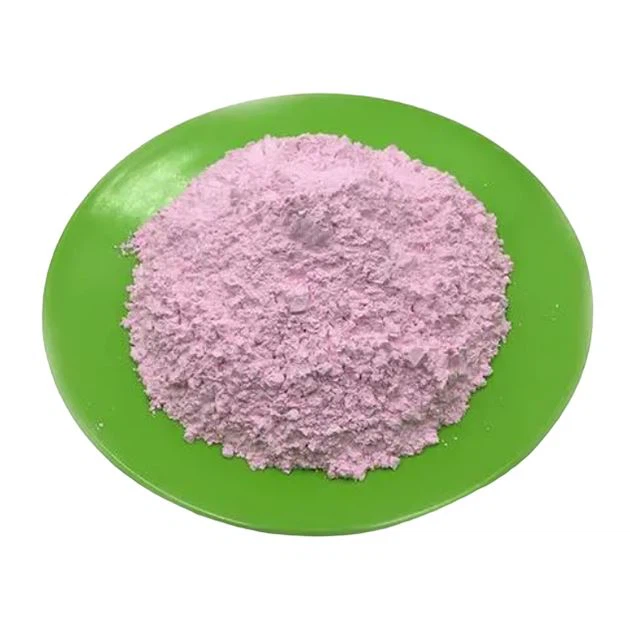

Our Erbium Oxide Products
As a reliable erbium oxide supplier, we offer a wide range of erbium oxide products, including Erbium Oxide Powder. Our products are carefully manufactured and tested to ensure high purity and consistent quality. We understand the importance of the melting point and other physical properties in different applications, and we strive to provide products that meet the specific requirements of our customers.
Whether you are in the refractory, telecommunications, or ceramics industry, our erbium oxide products can be a valuable addition to your production processes. Our team of experts is always available to provide technical support and advice on the selection and use of our products.
Conclusion
The melting point of erbium oxide, approximately 2400 °C, is a key physical property that is influenced by factors such as purity and crystal structure. This high melting point makes erbium oxide suitable for a variety of high - temperature applications in different industries. As an erbium oxide supplier, we are committed to providing high - quality products that meet the diverse needs of our customers. If you are interested in purchasing erbium oxide for your specific application, we encourage you to contact us for more information and to start a procurement discussion. We look forward to working with you to meet your erbium oxide requirements.
References
- Handbook of Chemistry and Physics. CRC Press.
- "Rare - Earth Oxides: Properties and Applications" by various authors in the Journal of Rare Earth Research.
- Technical reports from leading research institutions in the field of rare - earth materials.