

Hey there! As an erbium oxide supplier, I often get asked about the effects of erbium oxide on the human body. So, I thought I'd sit down and write a blog post to share what I've learned over the years.
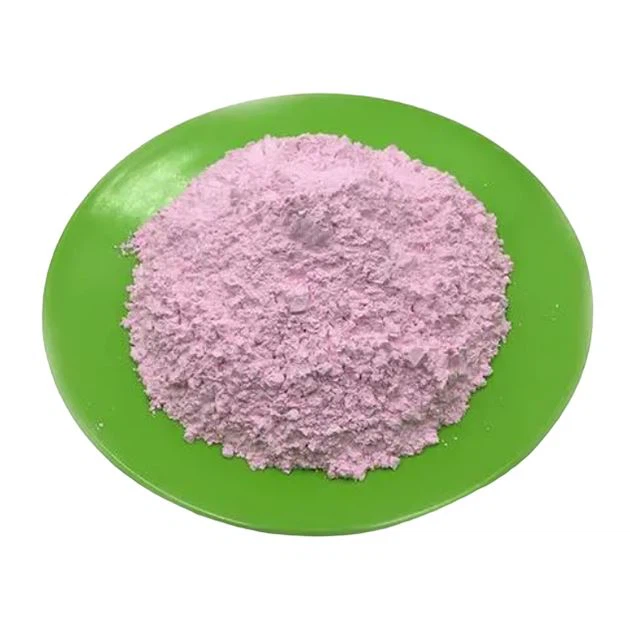

First off, let's talk a bit about what erbium oxide is. Erbium oxide, also known as Erbium (III) Oxide, is a rare - earth compound. It has a bunch of industrial applications, from being used in ceramics to fiber - optic technology. You can check out more about Erbium Iii Oxide on our website.
1. Inhalation and Respiratory System
When it comes to the effects on the human body, inhalation is one of the main routes of exposure. Inhaled erbium oxide particles can cause some issues in the respiratory system. If a person is exposed to high concentrations of erbium oxide dust over a long period, it may lead to irritation of the nose, throat, and lungs.
Think of it like this: when you breathe in small particles of anything that your body isn't used to, it's going to react. The respiratory tract is lined with sensitive tissues, and these particles can cause inflammation. Coughing, shortness of breath, and wheezing are some of the symptoms that might occur. However, in normal industrial settings where proper safety measures are in place, the risk of significant respiratory problems is relatively low.
2. Skin Contact
Skin contact with erbium oxide isn't as common as inhalation in industrial scenarios, but it can still happen. Erbium oxide may cause mild skin irritation in some people. It's like when you get a little rash after coming into contact with something your skin doesn't like.
The good news is that most cases of skin irritation from erbium oxide are not severe. Usually, just washing the affected area with soap and water can help alleviate the symptoms. But if the irritation persists or gets worse, it's always a good idea to see a doctor. And if you're working with erbium oxide, wearing appropriate protective gloves is a must.
3. Ingestion
Ingesting erbium oxide is extremely rare, but if it does happen, it can be a bit more concerning. Erbium oxide is not easily absorbed by the body through the digestive system. However, it can still cause problems in the gastrointestinal tract.
Once erbium oxide gets into the stomach and intestines, it might cause nausea, vomiting, and abdominal pain. The body tries to get rid of this foreign substance, and these are the ways it shows its discomfort. If someone accidentally ingests erbium oxide, they should seek medical attention right away.
4. Positive Effects?
Now, it's not all bad news. In the medical field, erbium oxide has some potential positive applications. For example, erbium - doped lasers are used in dermatology. These lasers are based on the properties of erbium, and they can be used for skin resurfacing and treating certain skin conditions.
The Nano Erbium Oxide is also being studied for its potential in biomedical applications. Its unique properties at the nanoscale might offer new ways to deliver drugs or target specific cells in the body.
5. Safety Measures
As a supplier, I always emphasize the importance of safety when working with erbium oxide. In industrial settings, workers should wear personal protective equipment (PPE) like respirators to prevent inhalation of dust. Gloves and goggles are also essential to protect the skin and eyes.
Proper ventilation systems should be in place to keep the air clean. And regular health check - ups for workers are a good idea to catch any potential health issues early.
6. Research and Future Outlook
Scientists are constantly researching the effects of erbium oxide on the human body. There's still a lot we don't know, especially about the long - term effects of low - level exposure.
Some studies are looking at how erbium oxide interacts with different body systems at a molecular level. This kind of research can help us better understand the risks and develop more effective safety measures.
7. Our Products
At our company, we offer high - quality Erbium Oxide Powder. We make sure that our products meet all the necessary safety standards. We also provide detailed safety data sheets (SDS) for our customers so that they can handle the product safely.
If you're in the market for erbium oxide, whether it's for industrial use or research purposes, we're here to help. We can offer different grades and quantities to suit your needs.
Conclusion
So, in a nutshell, erbium oxide can have both negative and potentially positive effects on the human body. The negative effects are mainly related to exposure through inhalation, skin contact, or ingestion, but with proper safety measures, these risks can be minimized.
On the other hand, its applications in the medical field show promise for future treatments. If you have any questions about erbium oxide or are interested in purchasing our products, feel free to reach out. We're always happy to have a chat and discuss your requirements.
References
- "Handbook of Rare Earth Metals" - A comprehensive source on rare - earth compounds and their properties.
- Various scientific research papers on the effects of rare - earth oxides on human health published in peer - reviewed journals.