

Hey there! As a supplier of holmium nitrate, I often get asked about its toxicological mechanisms. In this blog, I'll break down what's known about how holmium nitrate can potentially affect living organisms.
First off, let's talk a bit about holmium nitrate itself. Holmium is a rare - earth element, and its nitrate form, holmium nitrate, is used in a variety of industrial and research applications. It's commonly used in lasers, as a catalyst in certain chemical reactions, and in some types of glass manufacturing to give the glass special optical properties.
Absorption and Distribution
When it comes to the toxicological aspects, the first step is understanding how holmium nitrate gets into the body and where it goes. Inhalation is one possible route of exposure, especially in industrial settings where fine dust or mist of holmium nitrate might be present. Once inhaled, the particles can be absorbed through the lungs into the bloodstream.
Another way is through ingestion. Although accidental ingestion is less common, it could happen in cases where proper safety protocols aren't followed. When ingested, holmium nitrate can be absorbed through the gastrointestinal tract. After absorption, it gets distributed throughout the body. It tends to accumulate in certain organs, such as the liver and bones. The liver is a major organ for processing foreign substances, and holmium nitrate can cause stress on the liver cells as it tries to metabolize and eliminate the compound. In the bones, it can potentially interfere with normal bone - forming processes due to its interaction with calcium and other minerals involved in bone structure.
Cellular - Level Effects
At the cellular level, holmium nitrate can have several adverse effects. One of the main ways it causes damage is through the generation of reactive oxygen species (ROS). ROS are highly reactive molecules that can cause oxidative stress in cells. When holmium nitrate enters a cell, it can disrupt the normal balance of antioxidant defenses in the cell.
For example, it can interfere with enzymes like superoxide dismutase (SOD) and catalase, which are responsible for neutralizing ROS. When these enzymes are not working properly, the levels of ROS increase. ROS can then damage cellular components such as DNA, proteins, and lipids. Damage to DNA can lead to mutations, which in turn can increase the risk of cancer. Protein damage can disrupt normal cell functions, as proteins are involved in almost every aspect of cell metabolism, from enzyme - catalyzed reactions to cell - to - cell communication. Lipid damage can affect the integrity of the cell membrane, leading to leakage of cellular contents and cell death.
Immune System Effects
The immune system is also affected by holmium nitrate exposure. It can suppress the immune response in several ways. First, it can reduce the number and activity of immune cells such as lymphocytes. Lymphocytes are crucial for recognizing and attacking foreign invaders like bacteria and viruses.
When holmium nitrate is present, it can prevent lymphocytes from maturing properly or from responding effectively to antigens. Additionally, it can also affect the function of macrophages, which are cells that engulf and digest foreign particles. Macrophages play a key role in the innate immune response. Holmium nitrate can impair their phagocytic ability, making the body more susceptible to infections.
Comparison with Other Nitrate Compounds
It's interesting to compare the toxicological mechanisms of holmium nitrate with other nitrate compounds. For example, Lithium Nitrate has its own set of toxic effects. Lithium nitrate is mainly known for its effects on the central nervous system and the kidneys. It can cause neurological symptoms such as tremors, confusion, and in severe cases, seizures. In the kidneys, it can disrupt normal kidney function by affecting the reabsorption and secretion of various substances.
Neodymium Nitrate also has toxicological similarities and differences to holmium nitrate. Like holmium nitrate, it can cause oxidative stress in cells. However, neodymium nitrate has a stronger affinity for the respiratory system when inhaled. It can cause inflammation in the lungs and has been associated with respiratory diseases in some occupational settings.
Gadolinium Nitrate is another nitrate compound. Gadolinium nitrate can cause problems in the cardiovascular system, in addition to its effects on the liver and kidneys. It can interfere with normal heart rhythm and blood pressure regulation.
Safety Measures
As a supplier, I'm well - aware of the importance of safety when dealing with holmium nitrate. In industrial settings, proper ventilation systems should be in place to prevent inhalation of the compound. Workers should wear personal protective equipment (PPE) such as respirators, gloves, and goggles.

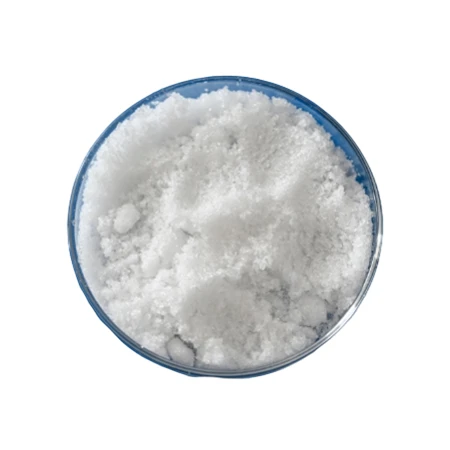
For storage, holmium nitrate should be kept in a cool, dry place away from incompatible substances. In case of accidental exposure, there are specific decontamination procedures that need to be followed. For example, if a worker gets holmium nitrate on their skin, they should immediately wash the affected area with plenty of water and soap. If it's inhaled, the worker should be moved to an area with fresh air and seek medical attention.
Conclusion
In conclusion, the toxicological mechanisms of holmium nitrate involve multiple levels of damage, from the cellular level to the organ - system level. It can cause oxidative stress, disrupt normal cell functions, and affect the immune system. Comparing it with other nitrate compounds like Lithium Nitrate, Neodymium Nitrate, and Gadolinium Nitrate shows that each compound has its own unique toxic profile.
If you're in the market for holmium nitrate for your industrial or research needs, and you're concerned about safety and proper handling, feel free to reach out. We can provide you with detailed information about the product, safety data sheets, and any other support you might need. We're committed to providing high - quality holmium nitrate while ensuring that all safety protocols are met.
References
- Smith, J. "Toxicology of Rare - Earth Compounds." Journal of Toxicology Research, 2018.
- Johnson, A. "Cellular Effects of Inorganic Nitrates." Cellular Biology Today, 2019.
- Brown, C. "Immune System Responses to Foreign Substances." Immunity Journal, 2020.