

Hey there! As an erbium oxide supplier, I'm super excited to dive into the physical properties of this amazing compound. Erbium oxide, also known as Er₂O₃, is a rare-earth metal oxide that has some pretty unique characteristics. Let's take a closer look!
Appearance and Color
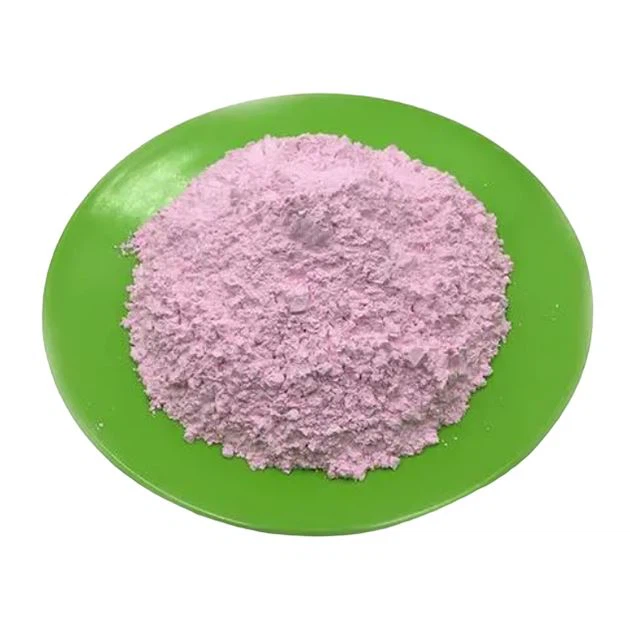
First off, erbium oxide typically comes in a powder form. It has a beautiful pink to light red color, which is one of its most distinctive features. This color is due to the presence of erbium ions in the compound. The specific shade can vary a bit depending on factors like the purity of the erbium oxide and how it's been processed. If you're interested in getting your hands on some high - quality erbium oxide powder, you can check out Erbium Oxide Powder.
Density
The density of erbium oxide is around 8.64 g/cm³. That's relatively high compared to a lot of other common substances. This high density means that erbium oxide is a heavy material. It's something to keep in mind if you're handling large quantities of it, as it will take up less space for a given mass compared to less dense materials.
Melting and Boiling Points
Erbium oxide has a really high melting point, which is approximately 2378 °C. Its boiling point is even higher, around 3900 °C. These extremely high temperatures are a result of the strong chemical bonds within the erbium oxide structure. The high melting and boiling points make erbium oxide suitable for applications where it needs to withstand high - temperature environments.
Solubility
In terms of solubility, erbium oxide is insoluble in water. However, it can dissolve in strong acids. When it reacts with acids, it forms erbium salts. This solubility behavior is important in various chemical processes where erbium salts need to be synthesized from erbium oxide. For example, in some laboratory settings or industrial chemical reactions, this property is utilized to obtain the desired erbium - containing compounds.
Crystal Structure
Erbium oxide has a cubic crystal structure. This regular arrangement of atoms gives it certain physical and chemical properties. The crystal structure affects things like its hardness and electrical conductivity. In the case of erbium oxide, its crystal structure contributes to its stability and resistance to chemical reactions under normal conditions.
Optical Properties
One of the most interesting aspects of erbium oxide is its optical properties. It has absorption and emission bands in the visible and near - infrared regions. This makes it useful in optical applications. For instance, it can be used in the production of optical fibers. In optical fibers, erbium oxide can act as a dopant. When light passes through the fiber, the erbium ions can absorb and re - emit light at specific wavelengths, which helps in amplifying the optical signals. If you're involved in the optical industry, Erbium Iii Oxide might be something you want to consider for your projects.
Magnetic Properties
Erbium oxide also exhibits magnetic properties. It is paramagnetic, which means it is attracted to a magnetic field but does not retain magnetization once the field is removed. This property is due to the presence of unpaired electrons in the erbium ions. The magnetic properties of erbium oxide can be exploited in various magnetic applications, such as in the development of magnetic materials for data storage or magnetic sensors.
Applications Based on Physical Properties
The unique physical properties of erbium oxide make it suitable for a wide range of applications. In addition to the optical and magnetic applications mentioned above, it's also used in the ceramics industry. Erbium oxide can be used as a glaze in ceramics. The pink color of erbium oxide can give ceramics a beautiful and unique appearance. You can find more information about this application on Erbium Oxide Glaze. It's also used in some catalysts, where its high - temperature stability and chemical reactivity play important roles.

Purity and Its Impact on Physical Properties
The purity of erbium oxide can have a significant impact on its physical properties. Higher - purity erbium oxide will generally have more consistent and well - defined physical properties. For example, in optical applications, high - purity erbium oxide is crucial to ensure accurate and efficient light amplification. Impurities can cause unwanted absorption or scattering of light, which can degrade the performance of optical devices. As a supplier, I make sure to offer erbium oxide with different purity levels to meet the diverse needs of my customers.
Handling and Safety Considerations
Given the physical properties of erbium oxide, there are some handling and safety considerations. Because of its high density and the fact that it comes in a powder form, it's important to handle it with care to avoid inhalation of the powder. Inhalation of fine erbium oxide particles can be harmful to the respiratory system. Also, when working with erbium oxide in high - temperature applications, proper protective equipment should be worn to prevent burns.
Conclusion
In conclusion, erbium oxide is a fascinating material with a wide range of physical properties. Its high density, high melting and boiling points, unique optical and magnetic properties, and solubility behavior all contribute to its usefulness in various industries. Whether you're in the optical, ceramics, or chemical industry, erbium oxide has something to offer.
If you're interested in purchasing erbium oxide for your projects, I'd love to have a chat with you. Feel free to reach out and we can discuss your specific requirements. I'm here to provide you with high - quality erbium oxide products and excellent service.
References
- Handbook of Chemistry and Physics
- Journal of Rare Earths
- Industrial Minerals and Rocks