

Yttrium chloride (YCl₃) is a significant rare - earth compound with a wide range of applications in various industries, including electronics, catalysis, and materials science. As a yttrium chloride supplier, I have witnessed firsthand the numerous challenges that come with its production. In this blog post, I will delve into the main challenges faced during the production of yttrium chloride.
1. Raw Material Sourcing
The first and perhaps most fundamental challenge in yttrium chloride production is the sourcing of high - quality raw materials. Yttrium is a rare - earth element, and its ores are not evenly distributed around the world. The major sources of yttrium are found in countries like China, Australia, and the United States.
The extraction of yttrium from its ores is a complex and costly process. Yttrium is often found in association with other rare - earth elements such as dysprosium, cerium, and lanthanum. This means that to obtain pure yttrium for chloride production, it is necessary to separate it from these co - occurring elements. For example, Dysprosium Chloride, Ceric Chloride, and Anthanum Chloride are also by - products that might be present in the ore. The separation process requires advanced technologies and significant energy input.
Moreover, the quality of the raw materials can vary greatly depending on the mining location. Impurities such as thorium and uranium are often present in yttrium ores. These radioactive impurities need to be removed during the production process to meet safety and quality standards. The removal of these impurities adds another layer of complexity and cost to the raw material sourcing and pre - treatment steps.
2. Chemical Processing
Once the raw materials are sourced, the next challenge lies in the chemical processing to convert yttrium into yttrium chloride. The most common method for producing yttrium chloride is by reacting yttrium oxide (Y₂O₃) with hydrochloric acid (HCl). However, this reaction is not as straightforward as it may seem.
Controlling the reaction conditions is crucial. The reaction between yttrium oxide and hydrochloric acid is exothermic, which means that it releases a large amount of heat. If the reaction rate is not carefully controlled, it can lead to overheating, which may cause the formation of unwanted by - products or even damage the reaction equipment.
In addition, the purity of the reactants is of utmost importance. Any impurities in the yttrium oxide or hydrochloric acid can contaminate the final yttrium chloride product. Therefore, high - purity chemicals are required for the reaction, which further increases the production cost.
Another aspect of chemical processing is the purification of the yttrium chloride product. After the reaction, the yttrium chloride solution may contain various impurities such as unreacted yttrium oxide, metal ions from the raw materials, and by - products of the reaction. Purification methods such as filtration, precipitation, and ion - exchange chromatography are commonly used to remove these impurities. However, these purification processes are time - consuming and require specialized equipment and skilled operators.
3. Environmental and Regulatory Compliance
The production of yttrium chloride is subject to strict environmental and regulatory requirements. The chemical processes involved in its production generate various waste products, including acidic wastewater, solid residues, and potentially harmful gases.
The acidic wastewater contains high concentrations of hydrochloric acid and metal ions. If not properly treated, it can cause severe environmental pollution. Treatment of the acidic wastewater usually involves neutralization with a base such as calcium hydroxide or sodium hydroxide, followed by precipitation and filtration to remove the metal ions.
The solid residues generated during the production process may contain radioactive materials or other hazardous substances. These residues need to be disposed of in accordance with strict regulations to prevent environmental contamination. Specialized waste management facilities are required for the safe disposal of these residues.
In addition, the production of yttrium chloride may also emit harmful gases such as hydrogen chloride (HCl) gas. These gases need to be captured and treated to prevent air pollution. Installing gas scrubbers and other air pollution control devices is necessary to meet the regulatory requirements.
4. Quality Control
Ensuring the quality of yttrium chloride is a continuous challenge throughout the production process. The quality of yttrium chloride is determined by several factors, including its purity, particle size, and chemical composition.
Purity is one of the most important quality indicators. High - purity yttrium chloride is required for many applications, such as in the production of phosphors for lighting and display devices. To achieve high purity, strict quality control measures need to be implemented at every stage of the production process, from raw material sourcing to the final product packaging.
Particle size also plays a crucial role in the performance of yttrium chloride. In some applications, such as in catalysis, a specific particle size range is required to ensure optimal catalytic activity. Controlling the particle size during the production process requires precise control of the reaction conditions and the use of appropriate milling or classification techniques.

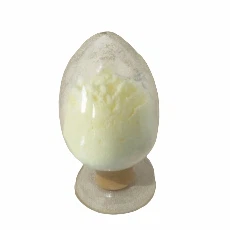
Chemical composition is another important aspect of quality control. The presence of trace elements or impurities can significantly affect the properties and performance of yttrium chloride. Therefore, advanced analytical techniques such as inductively coupled plasma mass spectrometry (ICP - MS) and X - ray fluorescence (XRF) are used to accurately determine the chemical composition of the product.
5. Market and Economic Factors
The market for yttrium chloride is highly volatile, which poses a significant challenge for producers. The demand for yttrium chloride is closely related to the development of industries such as electronics, energy, and materials science. Fluctuations in these industries can lead to significant changes in the demand for yttrium chloride.
In addition, the price of yttrium chloride is affected by various factors, including the cost of raw materials, energy prices, and production costs. The high cost of raw materials and the complex production process make yttrium chloride relatively expensive. However, the market price is also influenced by competition from other suppliers and the availability of alternative products.
To remain competitive in the market, producers need to continuously optimize their production processes to reduce costs while maintaining high product quality. This requires significant investment in research and development, as well as in the improvement of production facilities and technologies.
Conclusion
In conclusion, the production of yttrium chloride is a complex and challenging process. From raw material sourcing to quality control and market competition, there are numerous factors that need to be considered. As a yttrium chloride supplier, we are constantly striving to overcome these challenges to provide high - quality products to our customers.
If you are interested in purchasing yttrium chloride for your specific applications, we invite you to contact us for further discussions. Our team of experts is ready to provide you with detailed information about our products and to assist you in finding the best solutions for your needs.
References
- "Handbook of Rare Earths" by Yanming Wang and Qing Chen.
- "Rare Earth Elements: Chemistry and Applications" by Kenneth A. Gschneidner Jr. and Jean - Claude Bünzli.
- Industry reports on rare - earth production and market trends.