

Erbium oxide, a compound with the chemical formula Er₂O₃, has gained significant attention in various industries due to its unique properties. As a supplier of erbium oxide, I often encounter questions from potential customers regarding its toxicity. In this blog post, I aim to provide a comprehensive and scientific analysis of whether erbium oxide is toxic.
Chemical and Physical Properties of Erbium Oxide
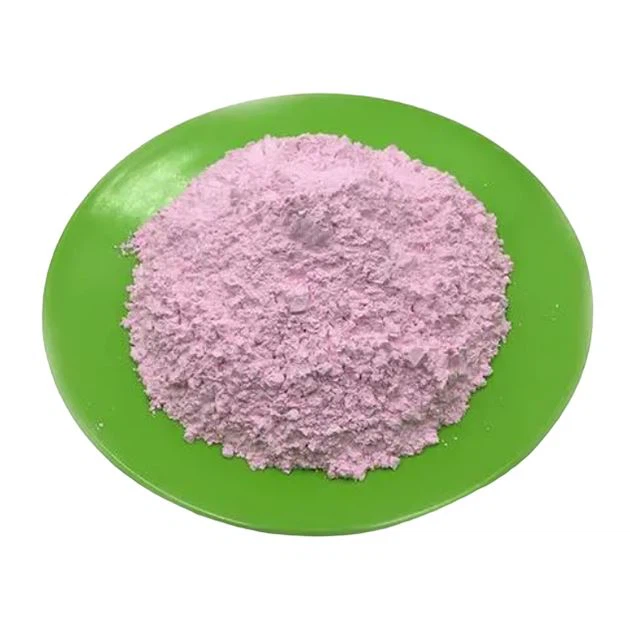
Erbium oxide is a pinkish - white powder that belongs to the family of rare - earth oxides. It has a high melting point and is insoluble in water but soluble in strong acids. These properties make it useful in a wide range of applications, such as in the production of optical fibers, lasers, and ceramic materials. You can find more information about different forms of erbium oxide on our website, including Erbium Iii Oxide, Erbium Oxide Powder, and Nano Erbium Oxide.
Toxicity Assessment in Different Exposure Routes
Inhalation
When it comes to inhalation, the main concern is the potential for the fine particles of erbium oxide to be inhaled into the lungs. In general, long - term inhalation of any fine dust can cause respiratory problems. However, studies on erbium oxide specifically suggest that it has a relatively low acute toxicity when inhaled. The particles need to be of a certain size and concentration to pose a significant risk.
The International Agency for Research on Cancer (IARC) has not classified erbium oxide as a carcinogen. Nevertheless, in occupational settings where workers are exposed to high levels of erbium oxide dust over extended periods, there may be a risk of developing lung fibrosis or other respiratory diseases. Proper ventilation and personal protective equipment, such as respirators, should be used to minimize inhalation exposure.

Ingestion
Erbium oxide is not readily absorbed through the digestive system. If ingested in small amounts, it is likely to pass through the body without causing significant harm. However, large - scale ingestion could potentially lead to gastrointestinal irritation. The body has natural defense mechanisms in the digestive tract, such as the acidic environment in the stomach and the mucous lining, which can limit the absorption of foreign substances. But in cases of accidental ingestion of large quantities, medical attention should be sought immediately.
Dermal Exposure
Dermal exposure to erbium oxide is generally considered to be of low risk. The skin acts as a barrier, preventing the easy penetration of the compound. However, in individuals with sensitive skin, there may be a risk of mild irritation or allergic reactions. It is advisable to wear appropriate protective gloves when handling erbium oxide to avoid any potential skin contact.
Toxicity Studies and Research Findings
Numerous scientific studies have been conducted to assess the toxicity of erbium oxide. Most of these studies have focused on animal models to understand the potential effects on living organisms.
In animal studies, high - dose exposure to erbium oxide has been associated with some adverse effects. For example, in some experiments, large doses of erbium oxide administered intravenously to animals led to changes in liver and kidney function. However, these doses were much higher than the levels that would typically be encountered in normal industrial or consumer use.
The results of in vitro studies, which are conducted in test tubes or culture dishes, have also provided insights into the potential cellular effects of erbium oxide. Some studies have shown that erbium oxide nanoparticles can induce oxidative stress in cells at high concentrations. Oxidative stress can damage cellular components such as DNA, proteins, and lipids, and may lead to cell death. But these effects are highly dependent on the concentration, size, and surface properties of the erbium oxide particles.
Safety Regulations and Guidelines
To ensure the safe use of erbium oxide, there are several safety regulations and guidelines in place. Regulatory bodies such as the Occupational Safety and Health Administration (OSHA) in the United States and the European Chemicals Agency (ECHA) have set limits on the allowable exposure levels of erbium oxide in the workplace.
These regulations are based on the best available scientific evidence and aim to protect workers and the environment from the potential hazards of erbium oxide. For example, OSHA has established a permissible exposure limit (PEL) for rare - earth oxides, which includes erbium oxide, to prevent excessive inhalation exposure in industrial settings.
Comparison with Other Rare - Earth Oxides
When comparing erbium oxide with other rare - earth oxides, its toxicity profile is relatively similar. Some rare - earth oxides, such as cerium oxide and lanthanum oxide, have also been studied for their toxicity. In general, the toxicity of rare - earth oxides is influenced by factors such as particle size, solubility, and the specific chemical form of the compound.
However, each rare - earth oxide has its own unique properties, and the potential health effects may vary. For example, some rare - earth oxides may be more likely to cause allergic reactions, while others may have a greater impact on certain organs. It is important to consider these differences when handling and using different rare - earth oxides.
Risk Management Strategies
As a supplier of erbium oxide, we are committed to providing our customers with safe products and promoting the proper use of erbium oxide. We follow strict quality control measures to ensure that our erbium oxide products meet all relevant safety standards.
We also provide detailed safety data sheets (SDS) to our customers. These SDSs contain information about the properties of erbium oxide, potential hazards, and recommended safety precautions. Our customers are encouraged to read and follow the instructions on the SDSs to minimize the risks associated with handling erbium oxide.
In addition, we offer training and support to our customers on the safe handling, storage, and disposal of erbium oxide. This includes advice on proper ventilation, the use of personal protective equipment, and the correct procedures for spill cleanup.
Conclusion and Call to Action
In conclusion, erbium oxide has a relatively low toxicity profile under normal conditions of use. However, like any chemical compound, it can pose risks if not handled properly. The key to safe use is to follow the recommended safety guidelines and take appropriate precautions to minimize exposure.
If you are interested in purchasing erbium oxide for your industrial or research needs, we invite you to contact us for more information. Our team of experts is ready to assist you in choosing the right product and ensuring that you have all the necessary information to use it safely. Whether you need Erbium Iii Oxide, Erbium Oxide Powder, or Nano Erbium Oxide, we can provide you with high - quality products and excellent customer service.
References
- International Agency for Research on Cancer (IARC). Monographs on the Evaluation of Carcinogenic Risks to Humans.
- Occupational Safety and Health Administration (OSHA). Permissible Exposure Limits for Chemical Substances.
- European Chemicals Agency (ECHA). Classification, Labelling and Packaging (CLP) Regulation.
- Scientific research papers on erbium oxide toxicity published in peer - reviewed journals such as Toxicology and Applied Pharmacology, Environmental Science and Technology.