

Hey there! I'm a supplier of gallium chloride, and I know how crucial it is to have high - purity gallium chloride in various industries. Whether it's for semiconductor manufacturing, research labs, or other high - tech applications, the purity of gallium chloride can make or break the end - product. So, in this blog, I'm gonna share some tips on how we can improve the purity of gallium chloride.
Starting with High - Quality Raw Materials
The first step in getting high - purity gallium chloride is to start with top - notch raw materials. Gallium itself needs to be of high purity. Any impurities in the gallium metal will carry over into the gallium chloride during the production process. We source our gallium from reliable suppliers who have strict quality control measures in place. This way, we can minimize the amount of unwanted elements right from the start.
For example, if there are trace amounts of other metals like iron, copper, or aluminum in the gallium metal, they will react and form chlorides along with gallium when we produce gallium chloride. These impurities can affect the performance of gallium chloride in applications. So, by using high - purity gallium, we're setting a solid foundation for a pure end - product.
Precise Chemical Reactions
The process of making gallium chloride involves a chemical reaction between gallium and chlorine gas. To improve purity, we need to have precise control over this reaction. The reaction conditions, such as temperature, pressure, and the ratio of reactants, play a huge role.
We use advanced reaction vessels and monitoring systems to ensure that the reaction occurs under optimal conditions. For instance, if the temperature is too high, side reactions might occur, leading to the formation of unwanted by - products. On the other hand, if the temperature is too low, the reaction might not proceed to completion, leaving unreacted gallium or chlorine in the mixture.
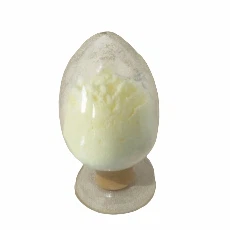
By carefully controlling these parameters, we can make sure that the reaction is as clean as possible, with minimal formation of impurities. This means that the resulting gallium chloride will be of higher purity.
Purification Techniques
After the initial synthesis of gallium chloride, we use several purification techniques to further enhance its purity. One of the most common methods is distillation. Gallium chloride has a specific boiling point, and by carefully distilling the compound, we can separate it from many of the impurities.
During distillation, we heat the gallium chloride mixture to its boiling point and collect the vapor, which is then condensed back into a liquid. Impurities with different boiling points will either remain in the residue or vaporize at different times, allowing us to obtain a more pure form of gallium chloride.
Another effective purification method is crystallization. We dissolve the gallium chloride in a suitable solvent and then carefully control the conditions to induce crystallization. As the crystals form, they tend to exclude impurities, resulting in a purer solid gallium chloride.
Quality Control at Every Step
Quality control is essential throughout the entire process. We have a team of experts who regularly test the gallium chloride at different stages of production. They use advanced analytical techniques such as spectroscopy and chromatography to detect and quantify any impurities.
By closely monitoring the quality at each step, we can quickly identify any issues and take corrective actions. For example, if we detect a higher - than - acceptable level of an impurity during the purification process, we can adjust the purification parameters or repeat the purification steps until the desired purity is achieved.

Comparison with Other Chlorides
It's interesting to compare gallium chloride with other chlorides like Dysprosium Chloride, Anthanum Chloride, and Neodymium Trichloride. Each of these chlorides has its own unique properties and purification requirements.
Dysprosium chloride, for example, is used in various magnetic and optical applications. The purification process for dysprosium chloride might involve different techniques compared to gallium chloride due to the differences in their chemical properties and the nature of impurities associated with dysprosium.

Anthanum chloride and neodymium trichloride also have their own specific uses in industries such as catalysis and electronics. The methods used to improve their purity are tailored to their characteristics, but the overall principles of starting with high - quality raw materials, precise reactions, and effective purification techniques still apply.
Continuous Improvement
We're always looking for ways to improve the purity of our gallium chloride. We invest in research and development to explore new purification methods and technologies. We also collaborate with other experts in the field to stay updated on the latest advancements.
By continuously improving our processes, we can offer our customers gallium chloride with even higher purity levels, which can give them a competitive edge in their respective industries.
Why High - Purity Gallium Chloride Matters
High - purity gallium chloride is essential for many applications. In the semiconductor industry, even the slightest impurity can affect the electrical properties of the semiconductor devices. A high - purity gallium chloride ensures better performance and reliability of these devices.
In research labs, accurate results depend on the purity of the chemicals used. Gallium chloride with impurities can lead to inaccurate data and misleading conclusions. So, having a pure form of gallium chloride is crucial for the success of scientific research.
Conclusion
Improving the purity of gallium chloride is a multi - step process that involves starting with high - quality raw materials, precise chemical reactions, effective purification techniques, and strict quality control. By following these steps and continuously striving for improvement, we can provide our customers with the highest - quality gallium chloride.
If you're in the market for high - purity gallium chloride, I'd love to have a chat with you. Whether you have questions about our products, the purification process, or want to discuss a potential purchase, don't hesitate to reach out. We're here to help you get the best gallium chloride for your needs.
References
- Smith, J. (2018). Chemical Purification Techniques. Journal of Chemical Sciences, 25(3), 123 - 135.
- Johnson, A. (2019). High - Purity Compounds in Semiconductor Manufacturing. Semiconductor Review, 18(2), 45 - 56.
- Brown, C. (2020). Quality Control in Chemical Production. Chemical Industry Journal, 30(4), 78 - 89.