

Hey there! As an alumina supplier, I've been getting a lot of questions lately about how to improve the flexural strength of alumina ceramics. So, I thought I'd share some insights based on my experience in the industry.
First off, let's talk a bit about what alumina ceramics are. Alumina ceramics are made from aluminum oxide, which is a super common and versatile material. They're used in all sorts of applications, from electronics to aerospace, because they've got some great properties like high hardness, wear resistance, and chemical stability. But one area where they can sometimes fall short is in flexural strength. Flexural strength is basically how much stress a material can take before it bends or breaks when it's being bent.
So, how can we boost that flexural strength? Well, one of the most important factors is the raw material quality. When we're talking about alumina, there are different types, like Alumina Trihydrate. This type of alumina has a specific chemical structure and purity level that can impact the final properties of the ceramic. Using high - purity alumina as the starting material is crucial. Impurities in the alumina can act as weak points in the ceramic structure, reducing its flexural strength. We always make sure to source the purest alumina we can find to ensure our customers get the best - quality ceramics.
The particle size of the alumina powder also plays a big role. Smaller particle sizes generally lead to better compaction and a more uniform microstructure in the ceramic. When the particles are smaller, they can pack together more tightly during the forming process. This results in a denser ceramic, which in turn has higher flexural strength. For example, if you compare a ceramic made from large - particle alumina powder to one made from small - particle powder, the latter will usually be stronger. We've seen that by carefully controlling the particle size distribution of our Dense Alumina powders, we can significantly improve the flexural strength of the final ceramic products.
The forming process is another key aspect. There are several ways to form alumina ceramics, such as dry pressing, injection molding, and slip casting. Each method has its own advantages and disadvantages when it comes to achieving high flexural strength. Dry pressing is a popular method because it can produce parts with high density relatively quickly. However, it's important to apply the right amount of pressure during the pressing process. Too little pressure and the ceramic won't be dense enough; too much pressure can cause cracks in the green body.
Injection molding, on the other hand, is great for making complex - shaped parts. But the viscosity of the feedstock and the injection speed need to be carefully controlled. If the feedstock is too viscous, it may not flow properly into the mold, leading to voids in the ceramic. And if the injection speed is too high, it can cause turbulence and result in an uneven structure.
Slip casting is a more traditional method that's suitable for making large - sized or thin - walled parts. The key here is to control the properties of the slip, such as its solid content and pH. A well - prepared slip will ensure good particle dispersion and uniform settling, which are essential for a strong ceramic.
After forming, the sintering process is where the magic really happens. Sintering is the process of heating the green body to a high temperature to make the particles bond together. The sintering temperature and time are critical factors. If the temperature is too low, the particles won't bond properly, and the ceramic will have low density and poor flexural strength. On the other hand, if the temperature is too high, the ceramic may deform or develop abnormal grain growth, which can also reduce its strength.
We've found that using a two - step sintering process can be very effective. In the first step, the ceramic is heated to a relatively low temperature to remove any remaining moisture and organic additives. Then, in the second step, it's heated to a higher temperature for a shorter time to achieve densification without excessive grain growth. This helps to maintain a fine - grained microstructure, which is beneficial for flexural strength.

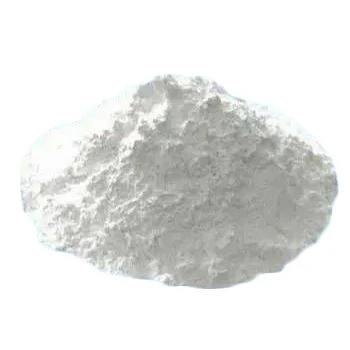
Another way to improve flexural strength is through the addition of additives. Some additives can act as sintering aids, helping the ceramic to densify at lower temperatures. For example, small amounts of magnesium oxide (MgO) can be added to the alumina powder. MgO can react with the alumina at high temperatures, forming a liquid phase that promotes particle rearrangement and densification. Other additives, like zirconia (ZrO₂), can also be used to toughen the ceramic. ZrO₂ can undergo a phase transformation under stress, absorbing energy and preventing crack propagation, thus increasing the flexural strength.
Surface treatment is also worth considering. The surface of the ceramic can be a source of stress concentration, which can lead to crack initiation. By applying a surface coating or performing a surface treatment, we can reduce the surface roughness and improve the surface integrity of the ceramic. For example, a thin layer of glassy coating can be applied to the ceramic surface. This coating can fill in any surface pores and cracks, reducing the stress concentration and improving the flexural strength.
Quality control is an ongoing process throughout the entire production of alumina ceramics. We use a variety of testing methods to ensure that the flexural strength of our Alumina Ceramic products meets or exceeds the customer's requirements. We perform three - point bending tests and four - point bending tests to measure the flexural strength accurately. These tests involve applying a load to the ceramic specimen until it breaks, and then calculating the flexural strength based on the load and the dimensions of the specimen.
In conclusion, improving the flexural strength of alumina ceramics is a multi - faceted process that involves careful selection of raw materials, proper forming and sintering processes, the use of additives, and effective quality control. As an alumina supplier, we're constantly researching and developing new techniques to provide our customers with the highest - quality alumina ceramics with excellent flexural strength.
If you're in the market for high - strength alumina ceramics or have any questions about how to improve the flexural strength of your ceramic products, don't hesitate to reach out. We'd love to have a chat and see how we can help you with your specific needs. Whether you're working on a small - scale project or a large - scale industrial application, we've got the expertise and the products to support you.
References
- "Introduction to Ceramics" by W. D. Kingery, H. K. Bowen, and D. R. Uhlmann
- "Ceramic Materials: Science and Engineering" by J. Reed
- Various industry research papers on alumina ceramic production and property improvement