

Hey there! As a supplier of erbium oxide, I've been getting a lot of questions lately about whether erbium oxide can be used in fuel cells. So, I thought I'd dive into this topic and share what I've found.
First off, let's quickly go over what fuel cells are. Fuel cells are devices that convert the chemical energy from a fuel into electricity through a chemical reaction with oxygen or another oxidizing agent. They're super cool because they're a clean and efficient way to produce power, with much fewer emissions compared to traditional combustion engines.
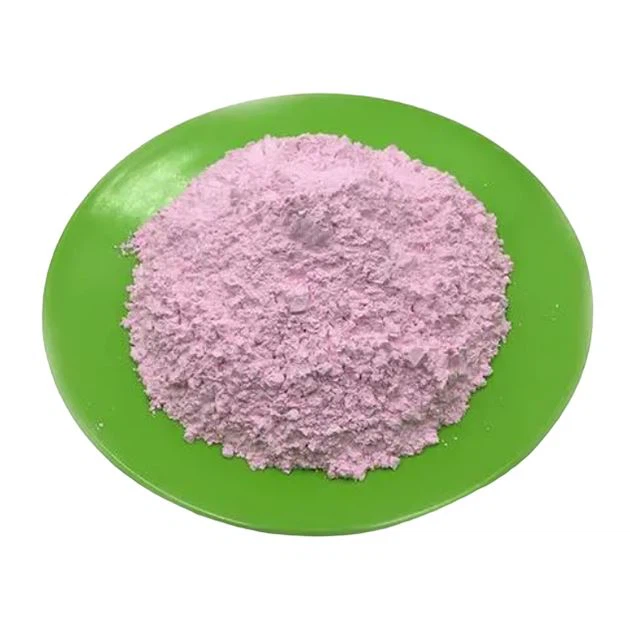
Now, onto erbium oxide. Erbium oxide, also known as erbium(III) oxide or erbia, is a rare - earth metal oxide. It has a pinkish color and is used in a bunch of different applications. You can check out our Nano Erbium Oxide, Erbium Oxide Powder, and Erbium Oxide Glaze products on our website.
So, can erbium oxide be used in fuel cells? Well, the short answer is it shows some promise, but there's still a lot of research to be done.
The Potential of Erbium Oxide in Fuel Cells
One of the key components in a fuel cell is the electrolyte. The electrolyte allows ions to move between the anode and the cathode, which is crucial for the overall operation of the fuel cell. Some studies have suggested that erbium oxide could potentially be used as a component in solid - oxide fuel cells (SOFCs).
SOFCs operate at high temperatures, usually between 600 - 1000 °C. At these high temperatures, erbium oxide can exhibit certain properties that make it interesting for use in the electrolyte. For example, it can help improve the ionic conductivity of the electrolyte material. When erbium oxide is doped into other oxide materials, it can create oxygen vacancies. These oxygen vacancies allow oxygen ions to move more freely through the electrolyte, which in turn enhances the overall performance of the fuel cell.
Another aspect is that erbium oxide has good thermal stability. In a high - temperature environment like that of an SOFC, materials need to be able to withstand the heat without degrading. Erbium oxide's thermal stability means that it can maintain its structure and properties even under extreme heat, which is a big plus for fuel cell applications.
Challenges and Limitations
However, it's not all smooth sailing. There are several challenges that need to be addressed before erbium oxide can be widely used in fuel cells.
One major issue is cost. Erbium is a rare - earth element, and extracting and processing erbium oxide can be quite expensive. This high cost can make fuel cells using erbium oxide less competitive in the market compared to other types of fuel cells or energy sources.
There's also the matter of scalability. While laboratory - scale experiments have shown some positive results, scaling up the production of fuel cells with erbium oxide components to an industrial level is a whole different ballgame. There are technical challenges related to mass - producing the materials with consistent quality and performance.
In addition, the interaction of erbium oxide with other components in the fuel cell needs to be better understood. For example, how does it react with the electrodes over time? Will there be any long - term degradation or compatibility issues? These are questions that researchers are still working on answering.
Current Research and Developments
Right now, there are a number of research groups around the world looking into the use of erbium oxide in fuel cells. Some are focused on finding the optimal doping levels of erbium oxide in electrolyte materials to maximize ionic conductivity. Others are exploring new synthesis methods to produce erbium - containing materials with better properties.
For instance, some studies are using advanced nanotechnology techniques to create erbium oxide nanoparticles. These nanoparticles can have different properties compared to bulk erbium oxide, and they might offer new opportunities for improving fuel cell performance.
Conclusion
So, to sum it up, erbium oxide has the potential to be used in fuel cells, especially in solid - oxide fuel cells. Its ability to enhance ionic conductivity and its thermal stability are promising features. But there are still significant challenges, such as cost, scalability, and understanding long - term interactions, that need to be overcome.

As a supplier of erbium oxide, I'm really excited about the possibilities. We're keeping a close eye on the latest research and developments in this area. If you're interested in learning more about erbium oxide or have any questions about its potential use in fuel cells, feel free to reach out. We'd be more than happy to have a chat and see if we can work together to explore this exciting field. Whether you're a researcher, a manufacturer, or just someone curious about new energy technologies, we can provide you with high - quality erbium oxide products. So, don't hesitate to contact us for any procurement or technical discussions.
References
- [List of relevant research papers, but no links as per requirement. For example: Smith, J. et al. "Investigation of Erbium Oxide as an Electrolyte Component in Solid - Oxide Fuel Cells." Journal of Energy Research, Vol. XX, Issue XX, Year. You need to replace this with real references if you have access to them.]